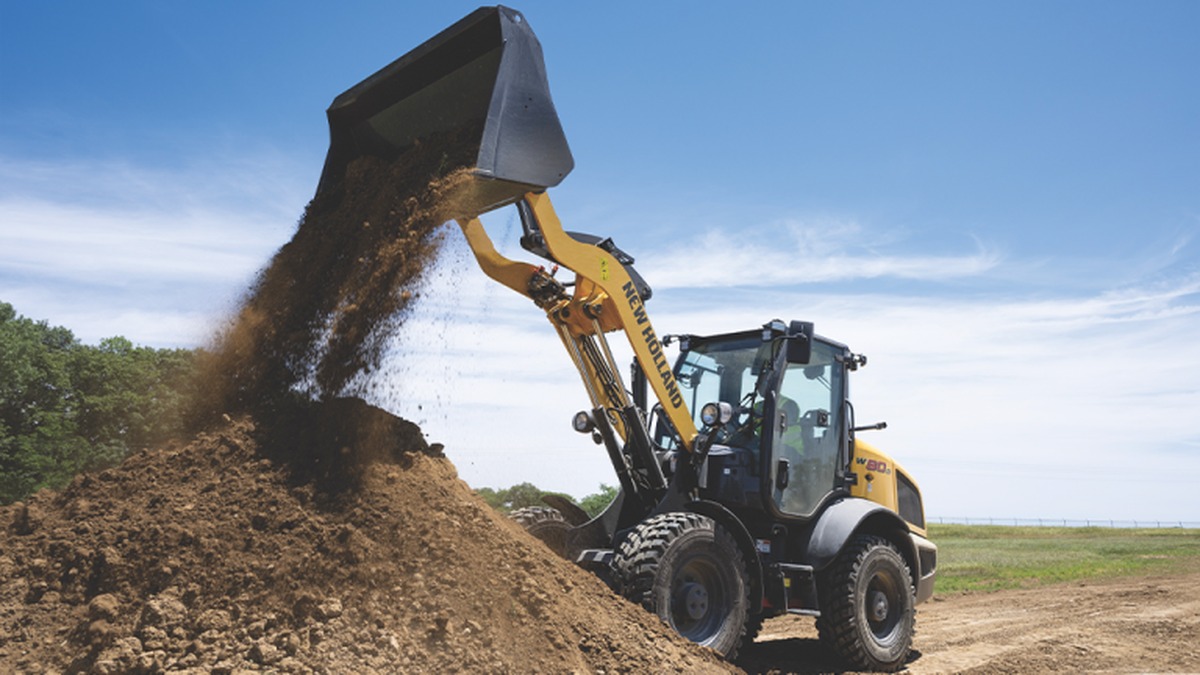
Compact Wheel Loaders Are Becoming the One-Machine Answer for Small Crews
A two-person crew starts the morning unloading palletized pipe, spends midday carrying aggregate into a tight access lane, and finishes with site cleanup before the concrete truck shows up. That kind of day used to push contractors toward a mixed fleet. In 2026, more compact wheel loader buyers want one machine to cover the whole shift without feeling like a compromise.
Recent product launches and buyer guidance across the segment point in the same direction: compact wheel loaders are being specified less like small loading tools and more like multi-application fleet anchors. The conversation is moving away from simple lift numbers and toward attachment change speed, operator repeatability, visibility, and the ability to move between jobs without losing hours in setup.
Attachment changeover is now a core buying issue
The latest machines are being designed around faster role changes, not just bucket work. That matters because many compact loader owners are no longer using the machine for one steady material stream. A loader might handle forks in the morning, bulk material at noon, and cleanup or snow work later in the same week.
That shift explains why manufacturers are leaning harder into in-cab quick-coupler systems, broader attachment compatibility, and long-reach variants. Buyers are rewarding machines that cut non-digging, non-loading time. When a crew can switch tools from the cab and keep moving, the machine starts to replace a second asset instead of simply supporting one.
The cab is turning into a productivity system
One of the clearest 2026 trends is how much engineering attention is going into the operator station. Better seat-mounted controls, wider forward sightlines, cleaner monitor placement, and adjustable hydraulic response are not cosmetic upgrades. They are answers to a labor problem.
Many contractors are running mixed-experience crews. They need a machine that feels predictable for a newer operator and still quick for an experienced one. Adjustable boom and bucket response, clearer sightlines to the attachment, and controls that move with the seat all help reduce the little hesitations that eat up cycle time over a long day.
Compact wheel loaders have always sold on versatility, but the next version of versatility is operator consistency. If the machine feels stable across pallet handling, truck loading, and yard cleanup, owners get more usable hours out of it and spend less time working around operator preference.
Smarter hydraulics are moving down into compact sizes
Hydraulic language that once stayed in larger machine classes is now showing up as an expectation in compact wheel loaders. Load-sensing systems, flow sharing, ride control, creep mode, and return functions are becoming part of the mainstream discussion because buyers want smoother cycles and less wasted fuel during repetitive work.
That is a meaningful change for the category. Compact loaders are often purchased by businesses that watch operating cost closely and run on tight scheduling. A machine that can meter hydraulic flow more cleanly, travel with better material retention, and hold consistent response from task to task is easier to justify than one that only wins on brochure output.
Telematics is no longer reserved for big fleets
Another clear signal from the latest announcements is that compact machines are being pulled into the same fleet-management logic as larger equipment. Longer telematics coverage, location tracking, maintenance alerts, geofencing, and machine-health visibility are moving into this class because owners want fewer blind spots.
For rental-heavy markets and multi-site contractors, that matters almost as much as the cab. A compact wheel loader that disappears for a day, misses a service interval, or spends too much time idling can quietly erase the margin that justified the purchase. Connected monitoring will not solve bad fleet discipline, but it does make underuse and misuse harder to ignore.
What buyers should ask before they sign
- How many attachment changes will the machine handle in a normal week?
- Is the coupler standard aligned with the attachments already in the yard?
- Does the reach and hinge-pin height match actual truck loading and pallet work, not just brochure demos?
- Can newer operators slow machine response without making the loader feel dull?
- Will transport width, height, and trailer weight limit how often the machine can move between jobs?
- Are visibility and monitor placement good enough for repeated fork work, not only bucket loading?
Those questions tell you more about real ownership than a single horsepower number. The compact wheel loader market is getting better at solving workflow friction, and buyers should spec the machine around that reality.
Where the segment is headed
From XeMach’s side of the market, the interesting change is not that compact wheel loaders are getting larger or more feature-heavy. It is that buyers increasingly want one machine to absorb more labor variation, more attachment variety, and more site movement without becoming fussy to operate. The winning machines in this class will be the ones that save thirty minutes here, twenty minutes there, and eventually a full extra machine in the fleet plan.
That is the takeaway worth watching through the rest of 2026. In compact wheel loaders, versatility is no longer a soft marketing word. It is becoming a measurable uptime and labor-efficiency spec.