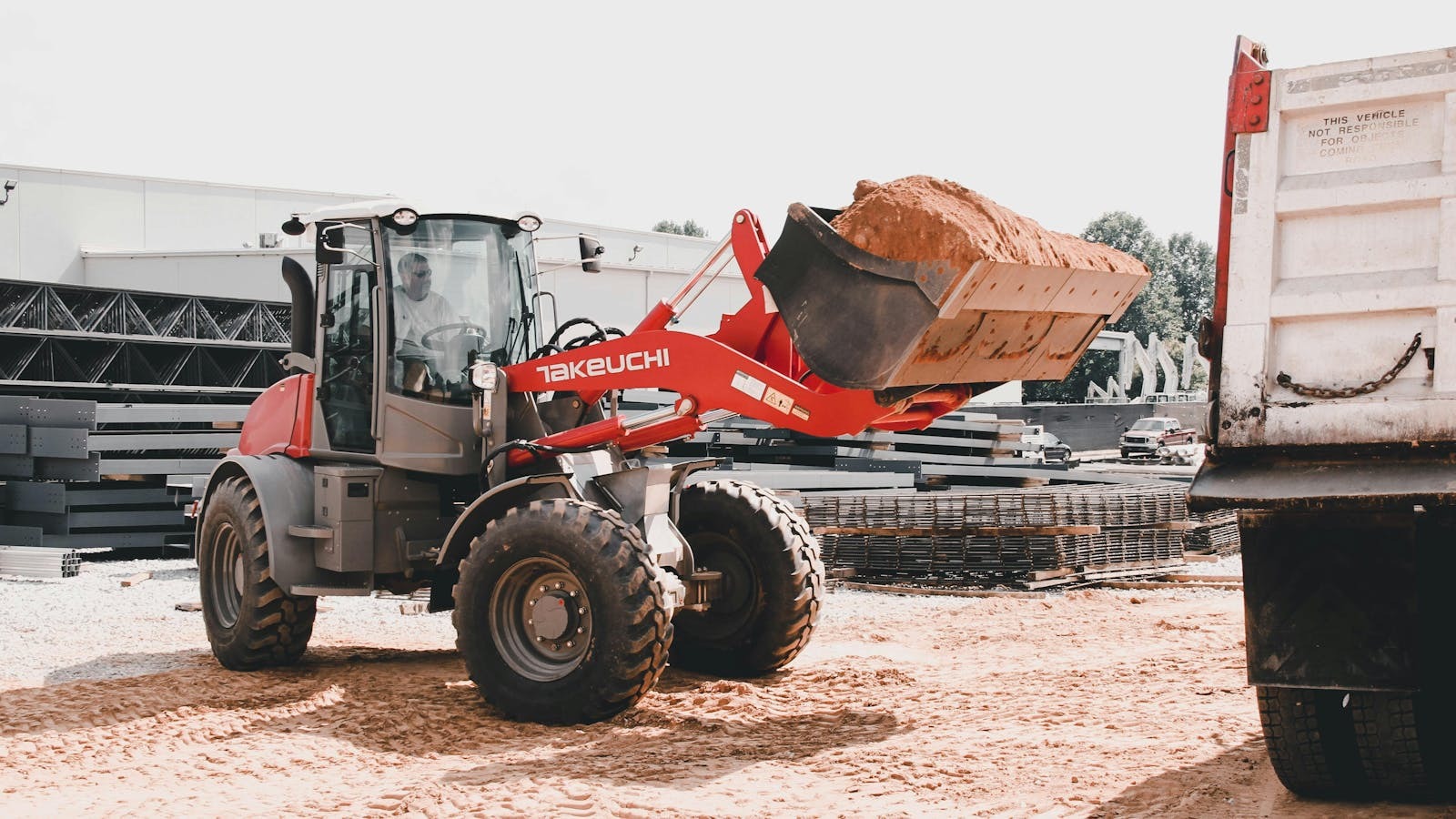
At 7:00 a.m., a crew might be unloading pipe at one end of a site, carrying palletized materials to the curb lane by mid-morning, and cleaning up stockpiles before the day is over. That kind of mixed-duty schedule is one reason compact wheel loaders are moving into more fleets in 2026. Buyers are not just looking for a smaller loader anymore. They want a machine that can switch jobs quickly, travel efficiently, and stay productive with operators of different experience levels.
Quick takeaways
- Buyers are choosing compact wheel loaders for application fit, not just for machine size.
- Attachment changes and coupler compatibility are now part of the core purchase decision.
- Visibility, ride quality, and control layout are being treated as productivity features, not comfort extras.
- Long-reach options and faster road speeds are widening the machine’s role on spread-out sites.
Why compact wheel loaders are getting more attention
Recent July reporting from North American equipment media points in the same direction: compact wheel loaders are gaining ground in construction, roadwork, landscaping, municipal fleets, agriculture, and snow work. The pattern is easy to understand. Many contractors need one machine that can carry, load, fork, sweep, and travel without the surface damage or slower transport pace that can come with other compact equipment.
That matters most on jobs where the machine spends less time digging and more time moving material, feeding crews, loading trucks, or handling pallets. In those conditions, speed between work zones, clear sightlines to the attachment, and stable material handling often matter more than raw breakout force alone.
The buying question has changed from “How big?” to “How well matched?”
One of the clearest shifts in this category is that buyers are narrowing their spec around the actual work cycle. Lift height, rated operating capacity, travel speed, boom geometry, tire setup, and attachment flow are now getting more attention than a simple step-up in machine size.
That is also why long-reach variants are drawing interest. For some fleets, a little extra dump height or fork placement range can remove the need to jump into a larger loader too early. On urban jobs, yard work, and small production sites, that can improve use without bringing in a machine that is harder to transport or less comfortable in tight access conditions.
Attachments are no longer an afterthought
Compact wheel loaders are increasingly being bought as tool carriers. Buckets and pallet forks still anchor the category, but buyers now expect fast switching between attachments and, in many fleets, the ability to share tools with other machines already on the yard.
That makes coupler choice more important than it used to be. Hydraulic quick couplers save time every day because operators do not need to climb in and out of the cab for routine changes. Skid-steer-style compatibility also matters because it helps owners get more value from attachments they already own. In practical terms, the coupler is no longer a small line in the brochure. It affects use, labor efficiency, and fleet standardization.
Cab design is turning into real production value
Another strong signal from recent launches is that compact wheel loader development is no longer focused only on lift charts and hydraulics. Buyers are paying attention to what the operator sees, reaches, and feels during repetitive work.
Lower front consoles, larger windshields, better lines of sight to forks and buckets, camera coverage, seat-mounted controls, and simpler display placement all point to the same goal: reduce fatigue while making repetitive cycles more consistent. Features such as ride control, creep mode, cruise control, return-to-dig, and return-to-travel are also becoming normal expectations rather than premium talking points.
This has two implications. First, fleets can shorten the time it takes a newer operator to become useful. Second, experienced operators can keep cycle quality up through a long shift instead of losing pace as the day wears on.
What fleet owners should watch next
The most interesting change is not one single spec. It is the way the category is being stretched in both directions at once. Smaller compact wheel loaders are becoming more capable through better attachment ecosystems and smarter controls. At the same time, larger and longer-reach versions are taking on work that used to push buyers toward a full-size loader or a dedicated material handler.
For buyers, that means the best decision process starts with the daily task sequence, not the brand sheet. How much pallet work is there? How often does the machine travel across the site? Does the crew need fast attachment swaps? Is visibility more important than maximum digging force? Those questions now shape the machine spec more than they did a few years ago.
From XeMach’s view, the compact wheel loader market is rewarding practical versatility over headline numbers. The fleets that buy well in this cycle will be the ones that spec for mixed-duty uptime: the right reach, the right coupler, the right visibility, and controls that keep the machine productive from the first load to the last truck of the day.