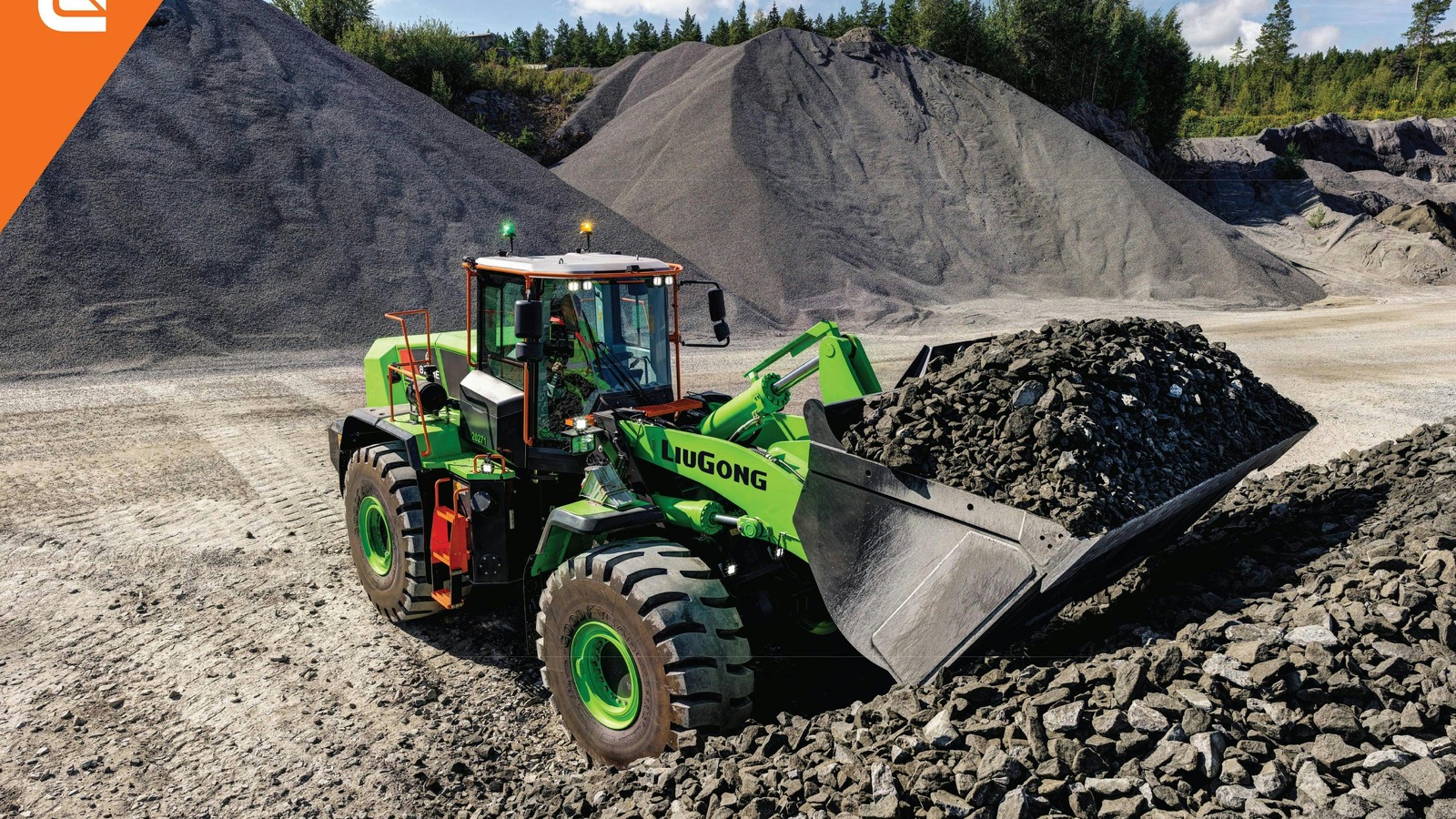
A fleet manager has one hour between jobs to decide whether an electric machine belongs on the next bid list or stays in the “interesting, but not yet” folder. That is where this week’s news matters. The conversation is shifting from concept machines and trade-show buzz to commercial availability, charging compatibility, service readiness, and hard-hour proof in the field.
Why this feels different from earlier electric launches
Recent North American coverage around battery-electric wheel loaders and excavators suggests the market is moving into a more practical phase. The headline is not simply that electric machines exist. It is that suppliers are now talking in the language fleet owners actually use: operating hours, warranty terms, charging standards, dealer support, and total cost of ownership.
One recent launch highlighted commercially available electric wheel loaders and excavators for North America rather than another pilot program. Just as important, the claims were tied to accumulated operating hours on working machines, not only prototype demonstrations. That matters because many contractors are no longer asking whether electric earthmoving can work in theory. They are asking where it can work first without punishing use or support risk.
What buyers should look at before they get distracted by the headline
For wheel loaders, the near-term case is usually easier to understand than it is for all-day, travel-heavy applications. Load-and-carry cycles, municipal yards, recycling, ports, aggregates, indoor or noise-sensitive work, and repeatable shift patterns all make electrification easier to evaluate. In those environments, energy cost, brake wear, idle reduction, and simpler service routines can produce a cleaner business case than a general promise of sustainability.
Excavators are a little trickier. A battery-electric excavator can make sense when duty cycles are predictable and charging windows are planned into the job, but buyers need to be honest about auxiliary loads, climate, attachment use, and the penalty of unexpected standby time. The machine is only half the purchase. The charging plan, site power, and technician readiness are the other half.
The real market signal is support, not novelty
The most useful part of this week’s reporting is the emphasis on localization. North American charging standards, electrical infrastructure, software requirements, safety certification, and dealer service practices are now part of the sales story. That is a stronger signal than another glossy product reveal. Contractors can work around many limitations, but they cannot work around a machine that sits because charging, parts, or diagnostics do not fit the region.
This is also where wheel loaders may keep an edge in early adoption. Many operations can assign them to repeatable material-handling work, centralize charging, and measure savings quickly. Excavators can absolutely follow, especially in controlled-duty applications, but the deployment discipline has to be tighter.
Where the next 12 months will separate serious programs from marketing
Expect the next stage of the market to be less about announcements and more about proof. Buyers will ask for delivered-machine references, battery warranty clarity, thermal management performance in local conditions, and evidence that the machine can keep earning when the easy demo is over. They will also compare electric models against newer diesel machines that have become more efficient, smarter, and easier to service.
That is the right comparison. Electric equipment does not need to win every job to become important. It only needs to win the jobs where noise, emissions, fuel cost, maintenance burden, and repeatable use line up.
The takeaway for contractors and dealers
For contractors, this is the moment to stop treating electric earthmoving as one category. A wheel loader with repeatable short-cycle work is a different buying decision from an excavator running attachments on a variable civil job. For dealers, the opportunity is not just to stock a machine, but to sell a working package: charger fit, site planning, service training, and uptime expectations.
XeMach’s read is simple: the electric market is becoming real where the job is structured, the duty cycle is visible, and support is local. The winners over the next year will not be the loudest launches. They will be the machines that quietly stay productive through a normal workweek.