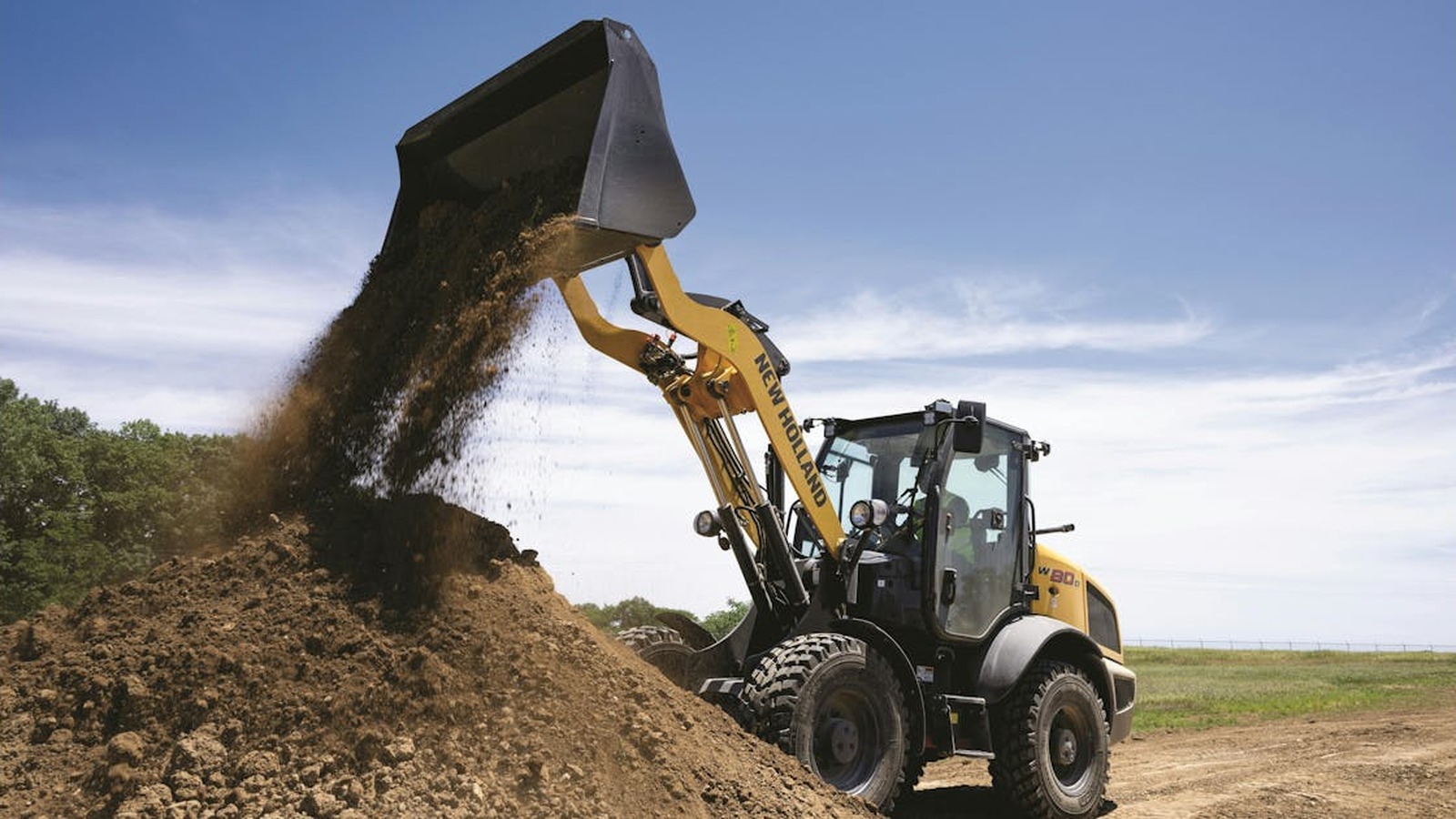
A paving crew wraps up a lane repair at 4:30 p.m., but the day is not over. There are still pallets to unload, barriers to move, loose aggregate to clean up, and one more truck to feed before rain hits. That is exactly the kind of shift where compact wheel loaders keep winning new fans. They are not replacing every skid steer or compact track loader, but they are showing up in more buying conversations because they solve a very specific problem: moving material quickly on tight jobsites without beating up the ground or the operator.
Why this category is climbing the shortlist
Three recent July stories from Construction Equipment point in the same direction. Manufacturers are still adding new compact wheel loader models, editorial coverage is spending more time on buyer guidance, and the market discussion has moved well beyond landscaping. Roadwork, municipal fleets, rental houses, agriculture, snow work, and general site logistics are all part of the growth story now.
That shift makes sense. Compact wheel loaders sit in a useful middle ground. They are easier to road between nearby sites than many compact machines, they carry forks and buckets comfortably, and operators usually get a better sight line to the load. On jobs that involve repeated carrying, loading, and stockpile work, that combination matters more than spec-sheet horsepower.
What buyers are really paying for now
The latest product launches also show how the category is maturing. Buyers are no longer looking only at bucket size or rated load. They are paying for cab visibility, hydraulic quick couplers, smoother boom functions, return-to-dig features, and telematics that help track service hours and machine health.
That is an important change. A compact wheel loader used to be an easy machine to underestimate. In 2026, it is becoming a small production platform. If a crew swaps between forks, buckets, and seasonal attachments all week, then faster changeovers and more predictable control response directly affect output. So does travel speed. When a machine spends half its day carrying material from one side of a site to the other, a few saved minutes per cycle add up fast.
Where compact wheel loaders beat skid steers and where they do not
The buying case gets stronger when the work is mostly material handling. Compact wheel loaders tend to make more sense when crews need to move pallets, load trucks, transport aggregate, or run longer travel paths across yards, road projects, ports, or spread-out developments. Operators get a higher seating position, a more natural view of forks and bucket edges, and less ground disturbance from articulated steering.
That does not make them the answer to every job. If the work is heavily attachment-driven, especially in digging or grading, contractors may still prefer other compact platforms. The smart buyer question is not, “Which machine does everything?” It is, “Which machine earns the most on the jobs we actually run every week?”
The next purchase question is use, not just size
One reason the category keeps expanding is simple: owners want more uptime from each asset. A machine that can unload a truck in the morning, handle pallets at noon, move spoil in the afternoon, and support winter or municipal work later in the year is easier to justify than a single-purpose unit.
That is also why attachment compatibility matters so much right now. Quick couplers and common attachment interfaces reduce friction across mixed fleets. For many buyers, the real value is not owning one more machine. It is reducing how often the wrong machine ends up on the wrong task.
A practical takeaway from the XeMach side
From XeMach's point of view, the compact wheel loader story is less about headline launches and more about workflow discipline. Buyers should look past marketing labels and map the machine to the actual traffic pattern of the site: haul distance, attachment swaps, loading height, ground sensitivity, and operator turnover. If those five things point toward fast material movement in limited space, compact wheel loaders will keep taking a bigger share of the fleet discussion in 2026.
Key points
- Compact wheel loaders are gaining traction because they fit repetitive material-handling work on tighter or more spread-out jobsites.
- The buying conversation is shifting toward visibility, quick couplers, control response, and telematics rather than raw size alone.
- They are strongest when the day involves carrying, loading, and site logistics, not every kind of digging or grading.
- Fleet use is becoming the real decision filter: one machine that covers several daily tasks is easier to justify.