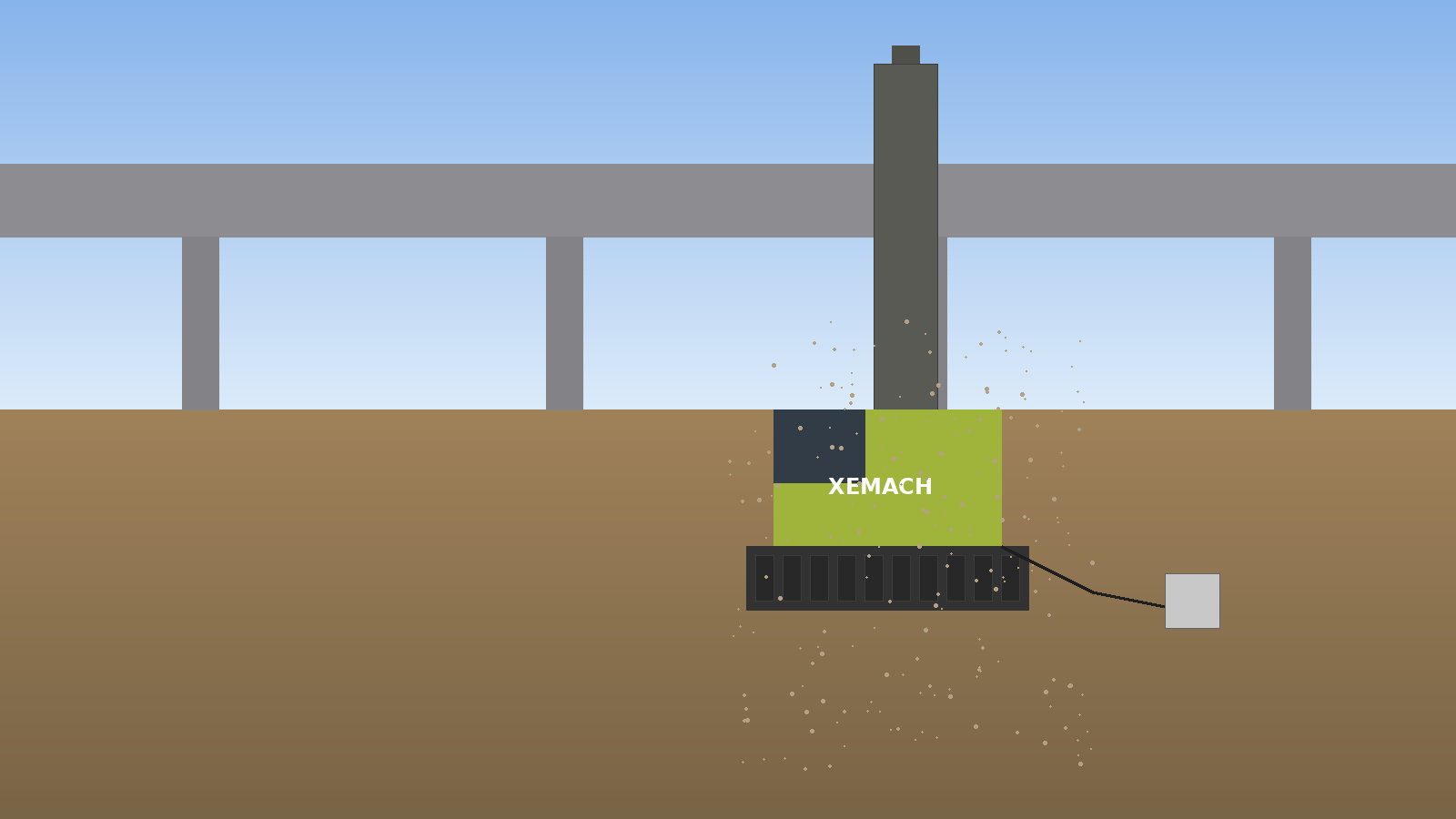
Last month, a piling contractor in Shijiazhuang signed an order worth over 20 million yuan for electric rotary drilling rigs. Not one machine, but a batch. That single transaction tells you something important: electric drilling rigs have moved past the pilot-project stage and into fleet-buying territory.
What’s driving the shift from diesel to electric?
For years, rotary drilling rig operators put up with diesel because that was the only option with enough torque for deep piling. But the math has changed. Urban jobsites now face strict emission rules, especially in northern China’s Beijing-Tianjin-Hebei corridor. Municipal renewal projects, high-speed rail bridges, and highway widening all demand machines that can work in populated areas without running afoul of environmental inspectors.
Electric and range-extended rotary drilling rigs solve that equation. They deliver the same torque range (from 240 kN·m for mid-size foundation work up to 620 kN·m for large-diameter piles) while cutting fuel costs and eliminating tailpipe emissions on site.
Do electric drilling rigs handle tough geology?
This is the question contractors always ask first. The answer, based on field data from multiple completed projects, is yes. Electric rotary drilling rigs have now logged hours on:
- Micro-weathered granite formations
- Dolomitic limestone with irregular karst cavities
- Inclined rock layers requiring precise vertical control
- Square support piles (non-standard cross-section)
- Deep bridge piling in coastal and river environments
The key engineering point: electric drive systems actually offer better torque control at low RPM than diesel-hydraulic setups, because the motor’s torque curve is flatter. This means fewer stalls in hard rock and smoother power delivery when transitioning between soil layers.
What about charging and uptime on remote sites?
Range-extended electric drilling rigs address this head-on. They carry an onboard generator that keeps the battery topped up during operation, meaning the machine never stops to charge. It functions like a series hybrid: the engine runs at optimal RPM to generate electricity, while the electric motor handles the actual drilling torque.
For fully electric models used on urban sites with grid access, overnight charging fills the battery for a full shift. Operators report lower vibration, reduced noise levels, and the elimination of diesel particulate concerns. All of which matter when you’re drilling bridge piles 50 meters from an apartment block.
How does the service picture look for early adopters?
Contractors worry about being stuck with unfamiliar technology. The manufacturers pushing electric drilling rigs in China have responded by building regional parts inventories and guaranteeing rapid response times. The setup typically includes:
- Dedicated field engineers trained on electric drivetrain diagnosis
- Regional parts depots with pre-positioned motor and battery components
- Remote monitoring systems that flag issues before they become breakdowns
- Response commitment: under two hours in major metro regions
This service infrastructure is what turns a technology from “interesting” into “bankable.” Fleet buyers aren’t hobbyists. They need uptime guarantees before signing for multiple units.
What this means for buyers evaluating drilling equipment
If you’re specifying drilling rigs for projects in regulated urban zones or areas with emission restrictions, electric rotary drilling rigs now offer a genuine alternative to diesel. The technology has been validated across multiple complex geologies, the torque ratings match conventional machines, and the total cost of ownership (factoring in fuel savings, reduced maintenance on the powertrain, and avoidance of emission compliance costs) increasingly favors the electric option.
The practical next step: request field performance data from completed projects matching your geology type, compare energy costs per meter drilled against your current diesel baseline, and verify the manufacturer’s service coverage in your operating region. The machines are ready. The question is whether your next fleet renewal should include them.