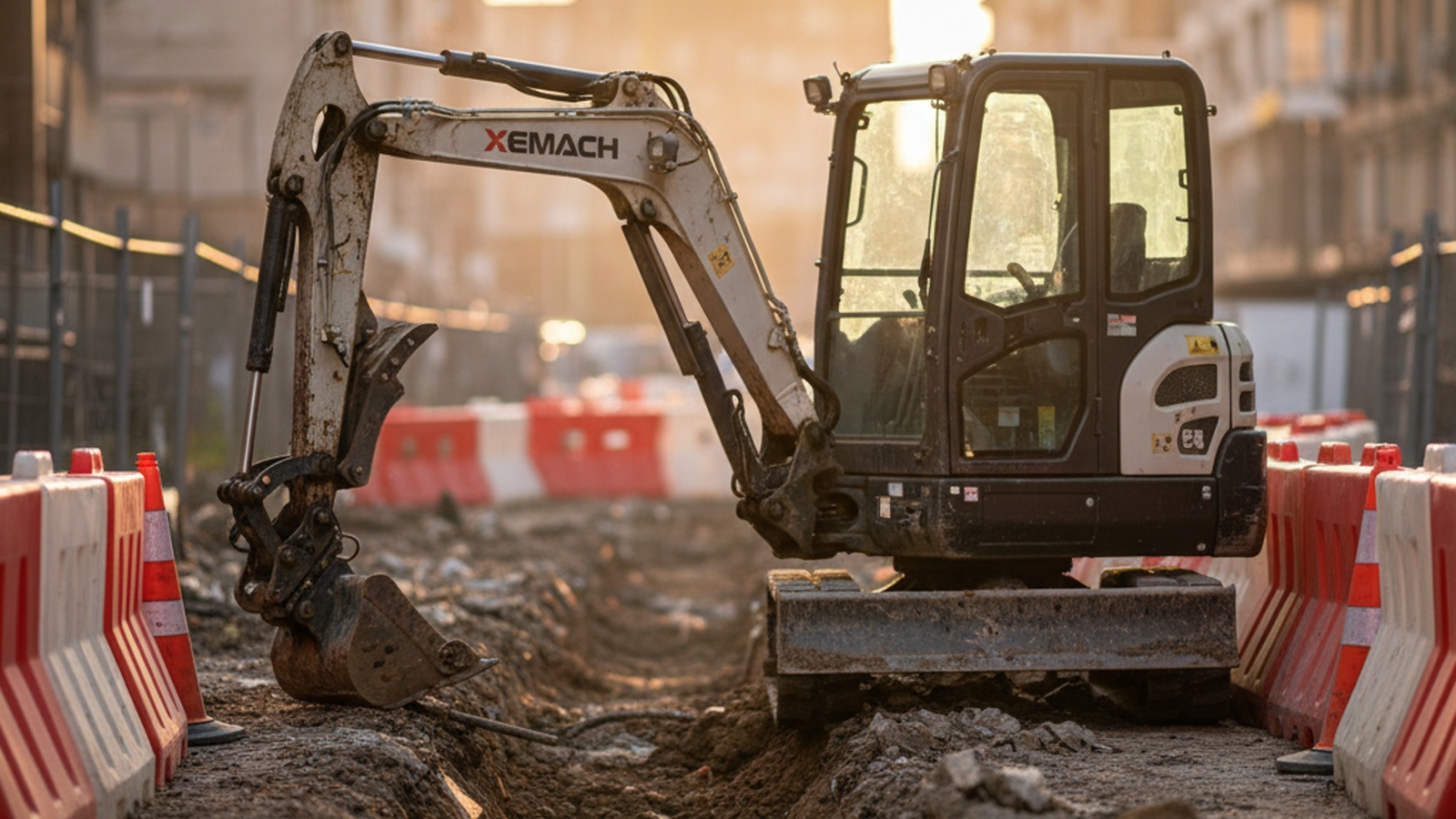
A crew has a breaker in the yard, a rented mini excavator on site, and a trench window that closes before lunch. The coupler locks, the pins look right, and everyone assumes the job can start. Twenty minutes later, the attachment is underperforming, the operator is compensating, and the whole schedule is slipping. That scene is becoming common as fleets mix owned machines, rentals, older carriers, and newer attachments.
The real lesson is simple: physical fit is only the first gate. In 2026, attachment compatibility is turning into an uptime discipline, not a last-minute yard check.
Why compatibility is now a fleet-management problem
Across construction fleets, attachments move faster than ever between machines, crews, and projects. A bucket, breaker, grapple, broom, or coupler may be expected to work across different brands, different years, and different hydraulic setups. Standardized interfaces have helped, but they have not removed the operational risk.
The old question was, “Will this attachment connect?” The better question now is, “Will this machine-and-attachment combination work safely, predictably, and at target production?”
That shift matters because the cost of a mismatch rarely stays local. One bad pairing can stall a trench crew, push back trucking, delay inspection windows, and leave another machine waiting for the right tool.
The coupler is locked. The job can still go wrong.
Contractors still get caught by four recurring issues:
- Hydraulic flow and pressure mismatch. A breaker or planer may connect just fine but still run weak, hot, or erratic if the carrier cannot deliver the required flow and pressure.
- Operating capacity mismatch. A tool that feels acceptable when empty can change machine balance, lift performance, and visibility once material is in the bucket or grapple.
- Coupler and pin geometry differences. Excavator attachment interfaces are still less standardized than many people assume, especially across machine classes and older units.
- Electrical and control requirements. More attachments now rely on extra circuits, solenoids, or in-cab controls that are not available on every carrier.
None of this is theoretical. The field symptom is usually familiar: slower cycle times, more operator correction, extra hose changes, repeated changeovers, or avoidable wear that shows up later as downtime.
What buyers and fleet managers should verify before deployment
The best fleets treat attachment verification like a pre-dispatch process, not a field improvisation.
Before a mini excavator or compact carrier leaves the yard, the checklist should cover:
- Attachment model, weight, and intended application
- Required hydraulic flow, pressure, and return line setup
- Coupler type, pin dimensions, and adapter requirements
- Machine lifting and stability limits for the actual task, not just empty handling
- Electrical harness and control compatibility
- A named approved pairing list that crews can trust
This is not glamorous work, but it is where a lot of margin is protected. Every verified pairing reduces the chance that a crew will burn half a shift proving that a tool technically fits but should never have been sent.
Stop treating attachments like accessories
One of the more important changes in the market is cultural rather than mechanical: attachments are starting to be managed like revenue assets.
That means tracking where they are, which carriers they match, how often they are used, what adapters they need, and what condition they are in before the next job. Fleets that do this well usually make faster dispatch decisions and avoid duplicate rentals. Just as important, they reduce the pressure on operators to improvise with whatever is nearby.
For excavator attachments and hydraulic couplers, that asset mindset also improves safety. A rushed swap on the wrong interface is not only a productivity problem. It can turn into a retention, stability, or damage issue very quickly.
A practical direction for 2026
The market does not need perfect standardization to get better results. It needs better internal rules.
For many contractors, the next useful step is straightforward:
- standardize coupler families where possible
- build an approved attachment-to-carrier matrix
- label attachments clearly by hydraulic and interface requirements
- keep attachment records inside the same fleet workflow used for machines
- make verification part of dispatch, not something left to the jobsite
That approach works whether the fleet is mostly owned, mostly rented, or permanently mixed.
What this means from a XeMach lens
The opportunity is not just to sell a machine or a tool. It is to reduce friction between them. Buyers are getting less patient with vague compatibility claims, and they should be. They want clearer hydraulic specs, cleaner coupler logic, and attachment packages that arrive ready to work instead of ready to be figured out.
For manufacturers and fleet planners alike, that is the takeaway worth acting on this year: the machine that starts faster is not always the one with the biggest spec sheet. It is the one that reaches the site with the right attachment, the right interface, and no surprises.