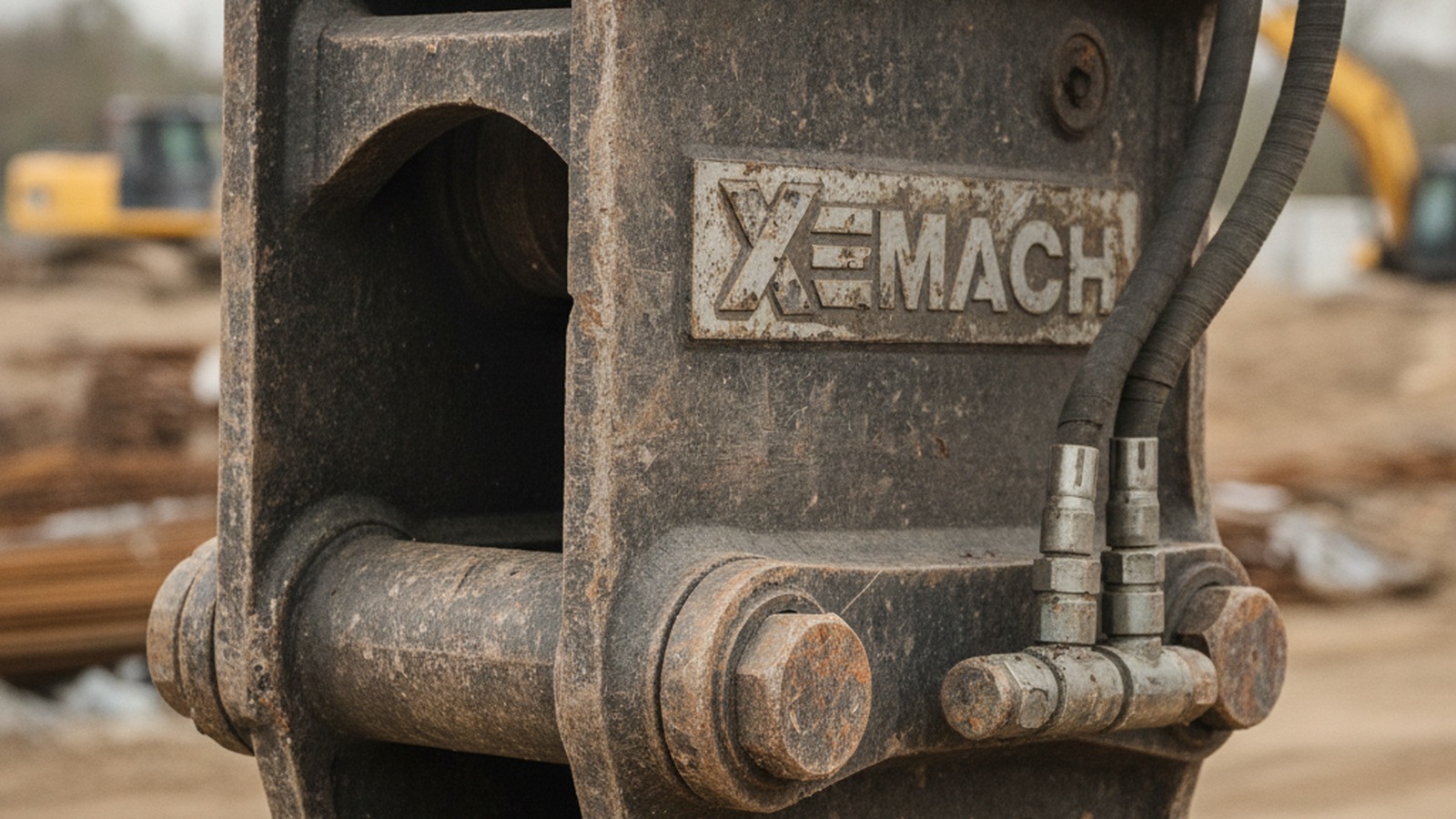
At 7:10 a.m., a crew has a mini excavator parked over a utility trench, a breaker on the ground, and a schedule that already looks tight. The attachment pins line up. The coupler closes. Then the real problem shows up: the hydraulic flow is wrong, the hose routing is awkward, and the tool that "fit" on paper is not actually ready to work. One bad attachment swap can burn the first hour of a shift before any material moves.
That small scene explains a bigger issue across construction fleets. Recent industry reporting has focused on two sides of the same problem: compatibility across mixed fleets and the maintenance habits that keep attachments productive once they are in service. For contractors running excavators, couplers, breakers, augers, brooms, and other work tools across multiple jobsites, this is no longer a side topic. It is a planning issue, an uptime issue, and often a margin issue.
What actually causes attachment downtime
Most delays do not start with a broken attachment. They start with a bad assumption.
The first assumption is that physical fit means jobsite readiness. In reality, an attachment can connect to the carrier and still be a poor match. Hydraulic flow and pressure may sit outside the useful range. The machine's lifting capacity may drop too far once the attachment is loaded. Coupler geometry may require adapters that slow changeovers. On newer machines, electrical connections can also matter when the tool depends on additional controls.
The second assumption is that a mixed fleet will sort itself out in the field. It usually does not. When owned units, rental machines, older carriers, and multiple attachment brands all meet on the same project, the cost of "we'll figure it out onsite" shows up fast. The first crew loses time. Then trucks wait. Then the next task starts late.
Where quick couplers help, and where they do not
Quick-change systems have made attachment swaps faster, but they have not solved the whole problem. A hydraulic coupler reduces manual work during the change itself. It does not verify whether the carrier and tool make sense as a working pair.
That matters most on excavator fleets because interface standards still vary more than many buyers expect. Pin size, pin center dimensions, coupler type, hose layout, auxiliary line setup, and return-line requirements can all change from one machine class to another. A contractor may think they are buying flexibility when they standardize on a coupler family, but the real test comes later: can the attachment move from one excavator to another without extra parts, extra bleeding, or extra operator guesswork?
For high-cycle jobs, the answer needs to be yes more often than it is today.
The maintenance mistakes that quietly shorten attachment life
Compatibility gets the attention because it creates obvious delays. Maintenance creates the slower losses that are easy to miss until costs pile up.
Hoses and couplers are a good example. They are handled constantly, exposed to dirt, and easy to ignore when a crew is rushing. Small contamination issues or worn hose protection may not stop work immediately, but they raise the odds of leaks, poor hydraulic performance, and sudden failures later in the week. The same is true for greasing routines, wear parts, and gearbox checks on powered attachments. None of these tasks look dramatic in isolation. Together, they decide whether an attachment stays productive or becomes a recurring service problem.
The practical lesson is simple: attachment uptime is built before the job starts and protected in small daily habits. Fleets that treat attachments like minor accessories usually pay for it. Fleets that manage them like revenue-producing assets usually get better use and fewer unplanned interruptions.
What buyers and fleet managers should verify before the next purchase
The best compatibility programs are boring in a good way. They reduce surprises.
- Confirm hydraulic flow, pressure, and case-drain requirements before approving any machine-attachment pairing.
- Record coupler type, pin dimensions, and adapter needs in one internal reference list instead of leaving the knowledge with individual crews.
- Check loaded operating capacity, not only empty attachment weight.
- Standardize hose inspection and coupler cleaning before every attachment swap on high-use machines.
- Replace wear parts before they damage the attachment body or the carrier linkage.
- Use a short approved-pairing list for rented carriers and emergency fleet additions.
These steps are not complicated, but they work best when they are written down and repeated. Mixed fleets are common now. Informal compatibility decisions should not be.
Why this matters for XeMach customers
From a XeMach viewpoint, the market is moving toward attachment-ready machines, not just base machines with auxiliary hydraulics. Buyers increasingly want excavators and work tools that can move between crews with less trial and error. That puts more value on clean coupler strategy, clearer hydraulic matching, easier service access, and practical documentation that operators will actually use.
The companies that manage this well are not necessarily the ones with the largest fleets. They are the ones that remove guesswork before the machine arrives on site. If attachment changes are becoming a daily event in your operation, the next useful question is not "Will this tool fit?" It is "How many steps are left after it fits?"