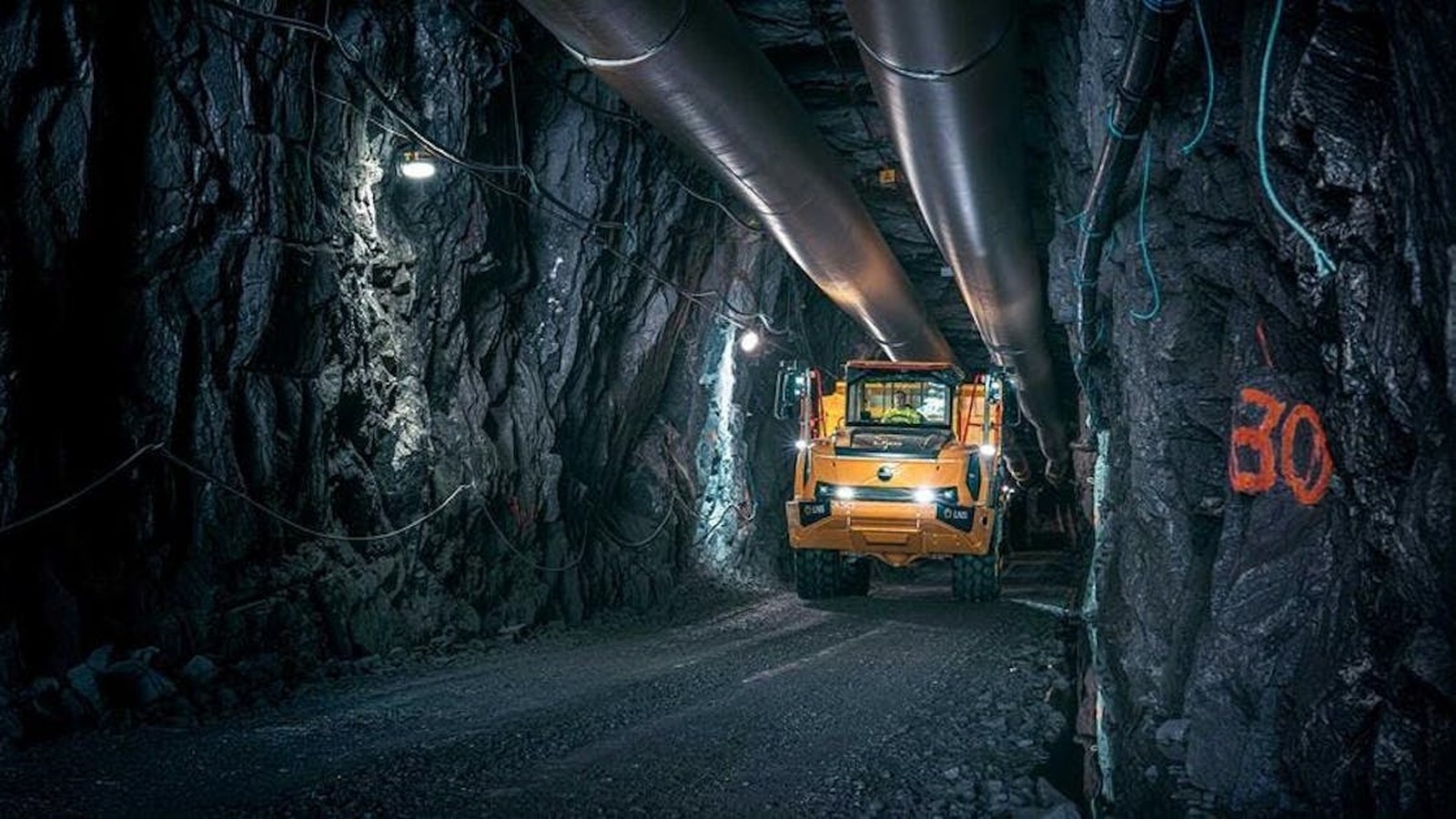
At 6:15 a.m., a hauling crew rolls into a tunnel portal with blasting dust still hanging in the air, ventilation fans already working hard, and a tight production window before the next cycle begins. In that setting, the case for an electric articulated dump truck is not abstract. It is about heat, fumes, noise, charging gaps, and whether the machine can keep material moving without slowing the whole job.
That is why this week’s first customer delivery of serial-produced electric ADTs in Norway matters more than another prototype announcement. According to Construction Equipment, four battery-electric articulated haulers have now been delivered for work on the Hemsil 3 hydropower project, with three more scheduled to follow next month. The machines are headed into a long tunnel-driven job where zero tailpipe emissions are useful in a very practical sense, not just a marketing one.
Why tunnels change the math for electric haulage
Open quarry and earthmoving sites usually punish any weak point in a new powertrain. Distances are longer, duty cycles are less predictable, and charging can become a planning problem. Tunnel work flips some of that logic.
Haul routes are repetitive. Idle time between blasting cycles can be planned. Ventilation costs are high enough that removing diesel exhaust has a direct site benefit. Noise also matters more in enclosed work zones, especially when crews are working long shifts. Electric haulage will not solve every bottleneck in underground or tunnel-linked construction, but it fits these conditions better than it fits the average broad-acre dirt job.
That is the real takeaway from the Norway deployment. The first strong market for electric dump trucks may not be every site. It may be the sites where operating conditions already reward lower emissions and quieter work.
A delivery beats a demo
The industry has seen plenty of concept machines that generated headlines and then disappeared into long testing cycles. What stands out here is the change from display machine to paid work.
Construction Equipment reports that production of this ADT platform started in April, and by June 26 the first batch had already been delivered to a contractor jobsite. Separately, Aggregates Business reported this week that the same manufacturer is now showing a broader electric heavy-equipment lineup, including the larger A40 Electric in serial production. That does not mean adoption will be fast everywhere. It does mean electric hauling has moved one step closer to normal procurement logic: availability, site fit, support, and total operating value.
For buyers, that shift matters. A prototype can prove technical possibility. A delivered fleet starts to prove service readiness.
Charging works when the cycle is predictable
Electric ADTs will succeed first where the work cycle leaves room for discipline. Tunnel and hydropower work often has exactly that rhythm. Crews load, haul, dump, wait on the next sequence, and repeat. If charging can be built into those pauses, the machine becomes much easier to justify.
This is also why battery-electric haulage is being watched closely in mining and heavy off-highway testing. Another recent Construction Equipment report pointed to ongoing battery-electric haul truck validation in Australia, which suggests the next phase is less about whether the technology exists and more about where uptime can be protected.
In plain terms: electrification does not need to win every duty cycle first. It only needs to win the right ones first.
What buyers should check before copying this model
The Norway story is encouraging, but it is easy to overread it. A good pilot site has specific traits:
- Short, repetitive haul distances
- Predictable pauses between operating cycles
- Strong site power planning
- High penalties for diesel exhaust, heat, or noise
- A contractor and end client willing to manage a new workflow
Without those conditions, the economics get harder fast. Buyers should look beyond battery size and payload claims. The practical questions are more important: Where will the machine charge? What happens if the blasting schedule changes? How much standby time is acceptable? Can the local service team support high-voltage systems without delays?
These are not reasons to wait. They are reasons to choose the first application carefully.
What this means for the next 24 months
The next two years will probably not be defined by mass replacement of diesel ADTs. They will be defined by selective wins in the jobsites that make the most sense: tunnels, underground-linked works, sensitive urban projects, and certain quarry or mine segments with controlled routes.
From XeMach’s point of view, the lesson is simple. The market is becoming more application-led. Buyers are not just asking whether an electric machine exists. They are asking where it can earn its keep with the least disruption. Suppliers that understand jobsite rhythm, charging windows, body configuration, and service access will have a better answer than suppliers that only talk about headline technology.
Key points
- The latest electric ADT delivery matters because it puts serial-produced machines into a real contractor project, not a demo loop.
- Tunnel work is an early-fit application because ventilation, emissions, and predictable cycles all favor electrification.
- The first commercial wins for electric dump trucks are likely to be narrow but meaningful, not universal.
- Site planning and after-sales support will decide whether early deployments scale.
Electric ADTs are not a full-market story yet. They are becoming a jobsite-specific story with real commercial traction. That is usually how durable equipment shifts begin: one workable use case at a time.