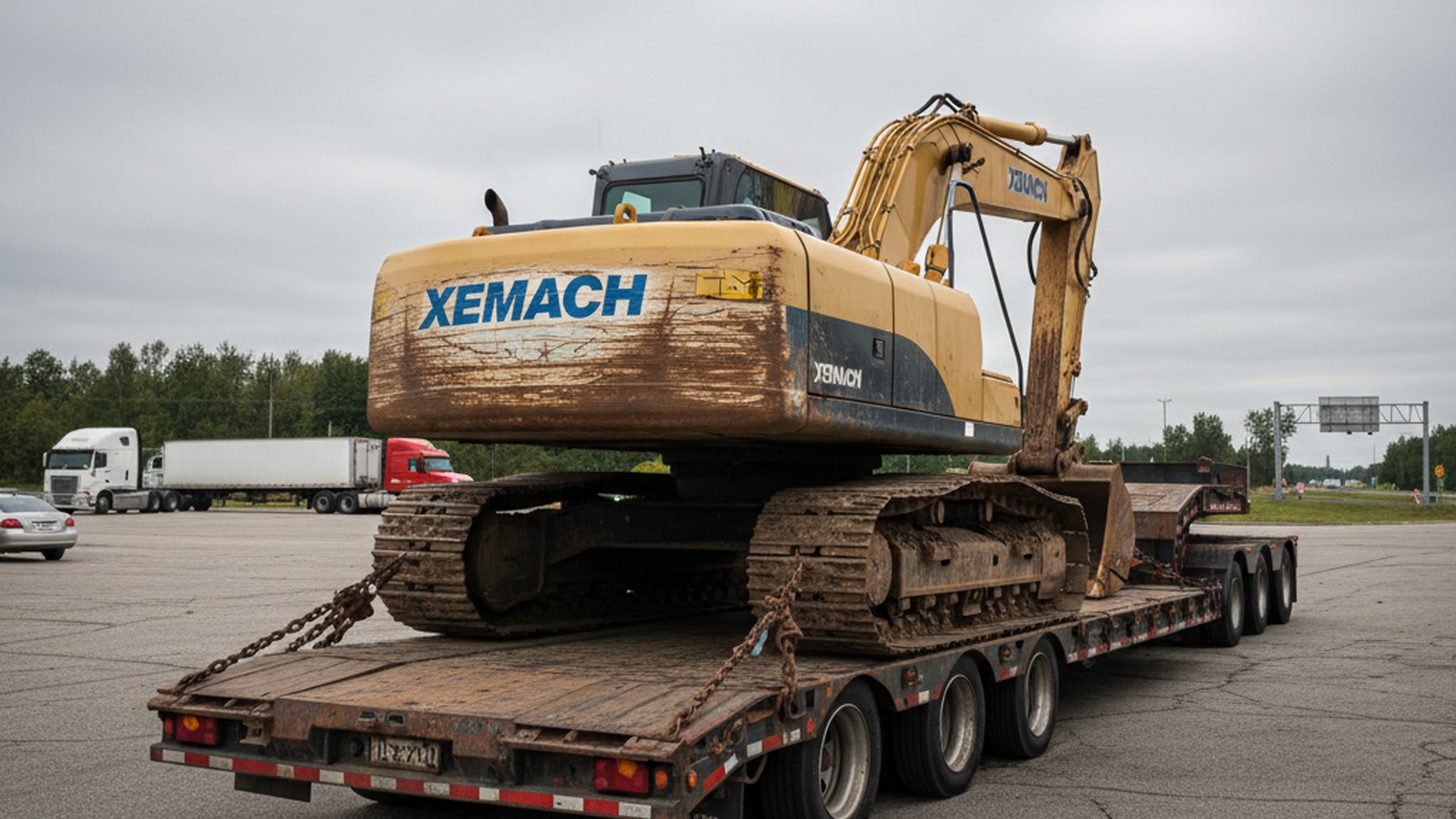
A contractor has a crawler excavator at 8,800 hours, a wheel loader approaching 11,000 hours, and a site package for a new data-center project starting in six weeks. The machines can probably keep working, but one unscheduled hydraulic failure or undercarriage surprise could erase the margin on the job. That is the real decision many fleets are facing in 2026: not simply whether to buy new equipment, but how to decide the right moment to replace, rebuild, or extend life.
Why the 8,000-hour question matters again
Recent industry survey data suggests the replacement conversation is becoming more disciplined, not more aggressive. Equipment World’s 2026 Tech & Spec Survey found the most common replacement window for excavators and dozers sits around 8,000 to 10,000 hours, while wheel loaders are more often kept to 10,000 to 12,000 hours. Backhoes also cluster around 8,000 to 10,000 hours. That does not mean fleets are rushing to auction every machine that crosses a round number. It means buyers are using hour bands as decision checkpoints.
Construction Equipment’s 2026 forecast points in the same direction. Fleet replacement rates remain active, but tariffs, price uncertainty, and supply delays are making buyers more selective. The cycle is still moving, but fewer managers are willing to replace equipment early just to keep the fleet looking fresh. Each machine now has to earn its next capital decision.
The decision is no longer “repair or replace”
For excavator buyers in particular, 8,000 hours has become a practical review point because several cost curves start to overlap. Major hydraulic components may still have life left, but hose condition, pin and bushing wear, cooling performance, electronics reliability, and undercarriage costs can begin stacking up at the same time. When machine use is high and job sequencing is tight, the risk is not just maintenance cost. It is downtime, crew disruption, and missed handoff dates.
That is why smarter fleets are using a three-lane decision model:
- Keep and monitor when the machine’s structural condition is sound, oil analysis is stable, and current use does not justify new capital.
- Rebuild selectively when one or two high-cost systems need work, but the base machine still fits the next 3,000 to 4,000 hours of demand.
- Replace when repair timing, parts risk, fuel efficiency gaps, and operator productivity losses begin landing in the same period.
The key change in 2026 is that this decision is being made with more operating data and less gut feel.
What fleet data is finally telling buyers
Another signal from this year’s reporting is that contractors still plan to buy equipment, but they are not all equally ready for advanced technology. Equipment World found that most respondents intend to purchase at least one machine in 2026, yet adoption of 2D and 3D machine control remains far from universal. Construction Equipment, meanwhile, points to a clear move toward easier grade control, stronger telematics, and better workflow visibility.
That gap matters. Many fleets want the benefit of better precision, lower idle time, and cleaner service planning, but they do not necessarily want a heavy training burden or a messy software stack. For excavators, loaders, and dozers, the machines that win the next buying cycle are likely to be the ones that make core technology easier to use in daily production, not just more impressive on a spec sheet.
Why excavators are setting the tone for the wider fleet
Excavators often become the reference point for fleet renewal because they touch so many jobs: utility work, site prep, trenching, loading, demolition support, and attachment-driven tasks. Once the excavator replacement plan changes, related purchases often follow. A contractor that delays an excavator order may also delay a wheel loader refresh, a hydraulic coupler upgrade, or a breaker purchase. A contractor that commits to newer excavators may start standardizing controls, maintenance intervals, and attachment interfaces across the rest of the fleet.
This is one reason the excavator market matters beyond excavators themselves. It sits at the center of attachment strategy, operator training, and uptime planning.
Questions buyers should ask before signing the PO
Instead of asking only “What is the price?” buyers in 2026 should be asking a tighter set of operational questions:
- How many productive hours remain before major planned intervention is likely?
- Which failure points would stop the next job, rather than simply increase maintenance expense?
- Does the next machine reduce operator learning time, rework, or attachment-change delays?
- Is the dealer or supplier able to support data, parts, and field service fast enough for the jobs actually booked?
- Would a targeted rebuild create a better 12-month return than a rushed replacement?
These questions sound simple, but they are where margin protection really starts.
The real market shift is disciplined capital, not panic buying
The most interesting part of the 2026 market is that sentiment is still positive while buying behavior is getting harder-nosed. Contractors expect work, especially in heavy and general construction, but they are watching cash flow, parts timing, technician availability, and replacement value more closely. That makes the market more demanding for equipment suppliers. Buyers are no longer impressed by generic promises of productivity. They want machines that fit the replacement math, the service reality, and the operator skill level they have today.
For XeMach, that points to a useful takeaway: the next opportunity is not just selling a machine into a growth cycle. It is helping customers make a cleaner decision at the exact hour-and-risk threshold where replacement becomes rational. In excavators and related earthmoving equipment, the suppliers that can connect lifecycle cost, serviceability, and easy-to-adopt technology will be in the strongest position when buyers move.
Sources
- Construction Equipment – Tariffs Tough on Planning
- Equipment World – Contractors’ Detail 2026 Construction Equipment Purchase Plans
- Construction Equipment – The Top 10 Trends Shaping Construction Equipment in 2026