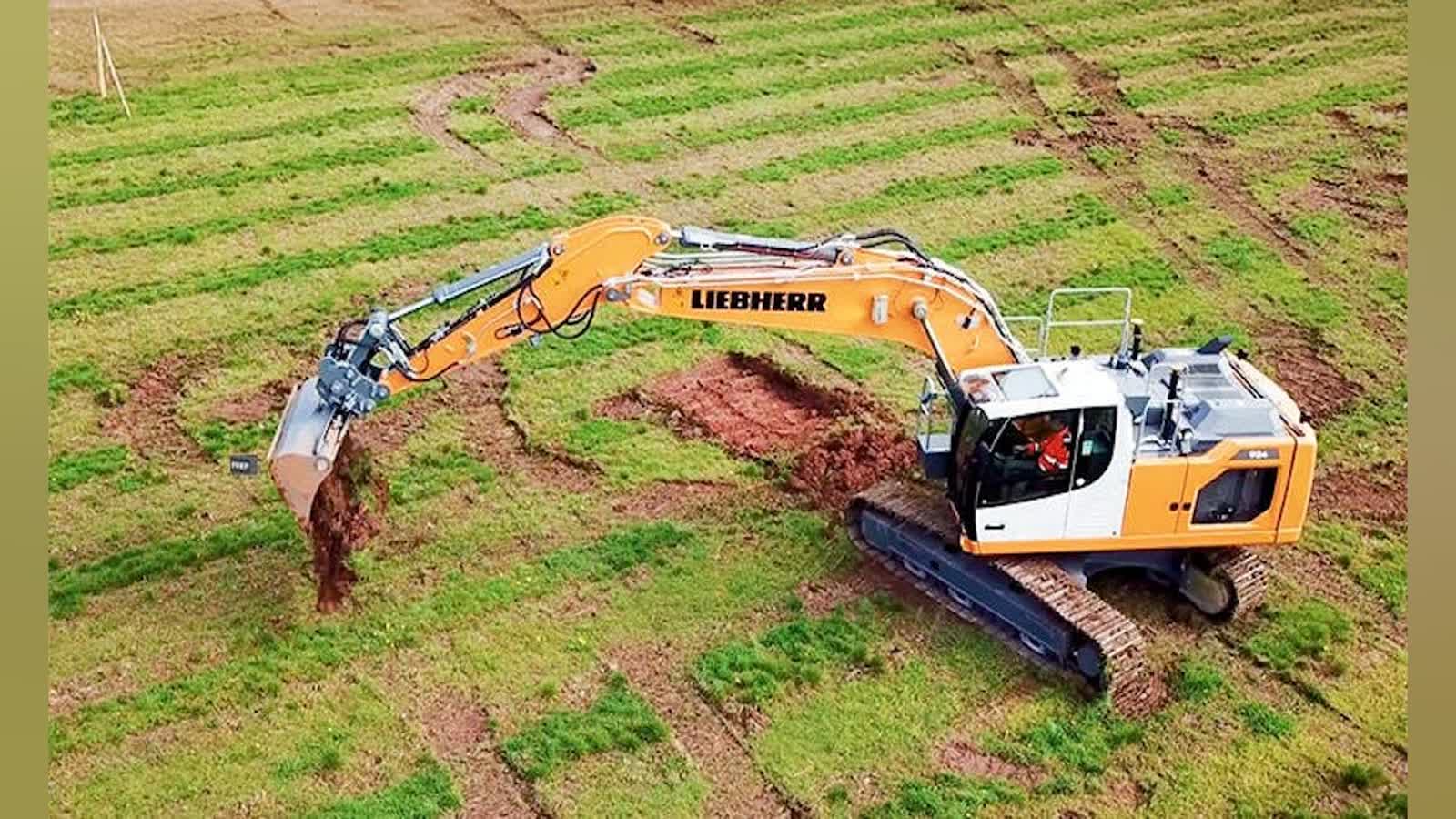
At CONEXPO 2026, some of the most important “launches” weren’t new tonnage or a bigger bucket. They were the quiet meetings between robotics teams and equipment OEMs—signs that autonomy is moving from demos to product roadmaps. For excavators and broader earthmoving machinery, the question is shifting from whether autonomy will matter to how it will be integrated, sold, serviced, and upgraded over a machine’s life.
1) The industry is standardizing the upgrade path
The fastest way to kill a promising autonomy program is to make it feel like a one-off retrofit. Contractors hate downtime, and dealers hate unpredictable integration work. That’s why the industry is leaning toward factory-ready packages: sensors, wiring, in-cab interfaces, and calibration workflows that ship with the machine and can be upgraded later.
A recent example is the expansion of factory integration for machine-control sensor chains on next-generation excavators—positioning 2D capabilities as standard while keeping a clean path to add 3D and semi-automatic functions later. Whether the add-on is guidance, payload, bucket assist, or autonomy modules, the pattern is the same: buy the machine once, then unlock capabilities without tearing it apart.
2) Robotics startups are learning to behave like OEM partners
Autonomy isn’t just a model running on a computer. It is a full product that has to survive:
- vibration, dust, pressure washing, and rough handling
- inconsistent jobsite connectivity
- mixed attachments and changing hydraulics
- safety policies, regulatory pressure, and liability reviews
- dealer service networks and parts logistics
So the partnerships forming now are less about “a robot that can dig” and more about building an autonomy layer that can be supported at scale—through OEM electrical architecture, validated sensor placements, factory options, and service documentation.
3) Data is the glue between autonomy, uptime, and fleet decisions
Autonomy without fleet intelligence becomes a novelty. Fleet intelligence without jobsite execution becomes another dashboard.
The next phase is linking the two so that what a fleet manager sees (fault codes, machine hours, job type, safety events) connects to what the machine can do (assist features, guided cycles, remote support, and automated routines). When the data foundation is in place, autonomy features are easier to deploy responsibly because machines can be monitored, updated, and supported in repeatable ways.
4) What this means for excavators (especially attachment-heavy work)
Excavators are an obvious proving ground because they sit at the intersection of highly variable tasks and frequent tool changes. In the near term, the practical path is not “fully unmanned everything.” It’s incremental:
- 2D/3D guidance becomes the baseline
- semi-automation handles repeatable motions
- supervised autonomy expands inside constrained zones
For contractors, the winning machines will be the ones that make this progression straightforward:
- pre-integrated sensors and wiring
- one in-cab UI that doesn’t feel bolted on
- clear upgrade options (2D → 3D-ready → full 3D → assisted automation)
- attachment-aware calibration workflows
5) XeMach view: autonomy will be bought like a capability, not a headline
From a XeMach perspective, the autonomy moment isn’t about buzzwords. It’s about lowering the friction of adoption.
If autonomy is going to be real on excavators and other earthmoving machinery, it must fit three contractor realities:
- Downtime is more expensive than the feature. Upgrades need factory-friendly integration and fast commissioning.
- Serviceability wins. Dealers and fleets need diagnostics, spare parts, and training that match the rest of the machine.
- Modularity matters. The job changes weekly; the machine must adapt without rewiring the whole platform.
Conclusion: partnerships are the real signal
CONEXPO 2026 made one thing clear: autonomy is no longer a separate “robotics show.” It is becoming a specification decision for mainstream excavators, attachments, and earthmoving fleets. The OEM–robotics partnerships forming now will decide who can deliver autonomy that contractors trust—not just in a demo lot, but on a muddy Tuesday with a deadline.