At the start of a tunnel shift, the hauling distance is predictable, ventilation is expensive, and blasting breaks create natural charging windows. On a Pilbara mine loop, the problem is different but just as specific: can a battery truck survive heat, payload, gradients, and charging logistics without slowing the whole site down? That is why this week’s electric haulage news matters. The market is moving past show machines and into jobs where the duty cycle can finally be tested against reality.
Two June developments stand out. In Norway, the first batch of serially produced electric articulated dump trucks has gone into customer use on a hydropower project with long tunnel work. In Western Australia, battery-electric rigid haul trucks are being pushed through mine-site trials that are already generating operating data instead of lab promises. Put those together and the picture gets clearer: electric dump trucks are no longer only an exhibition talking point. They are entering the first applications that can support them operationally.
Why the first wins are happening in controlled haul cycles
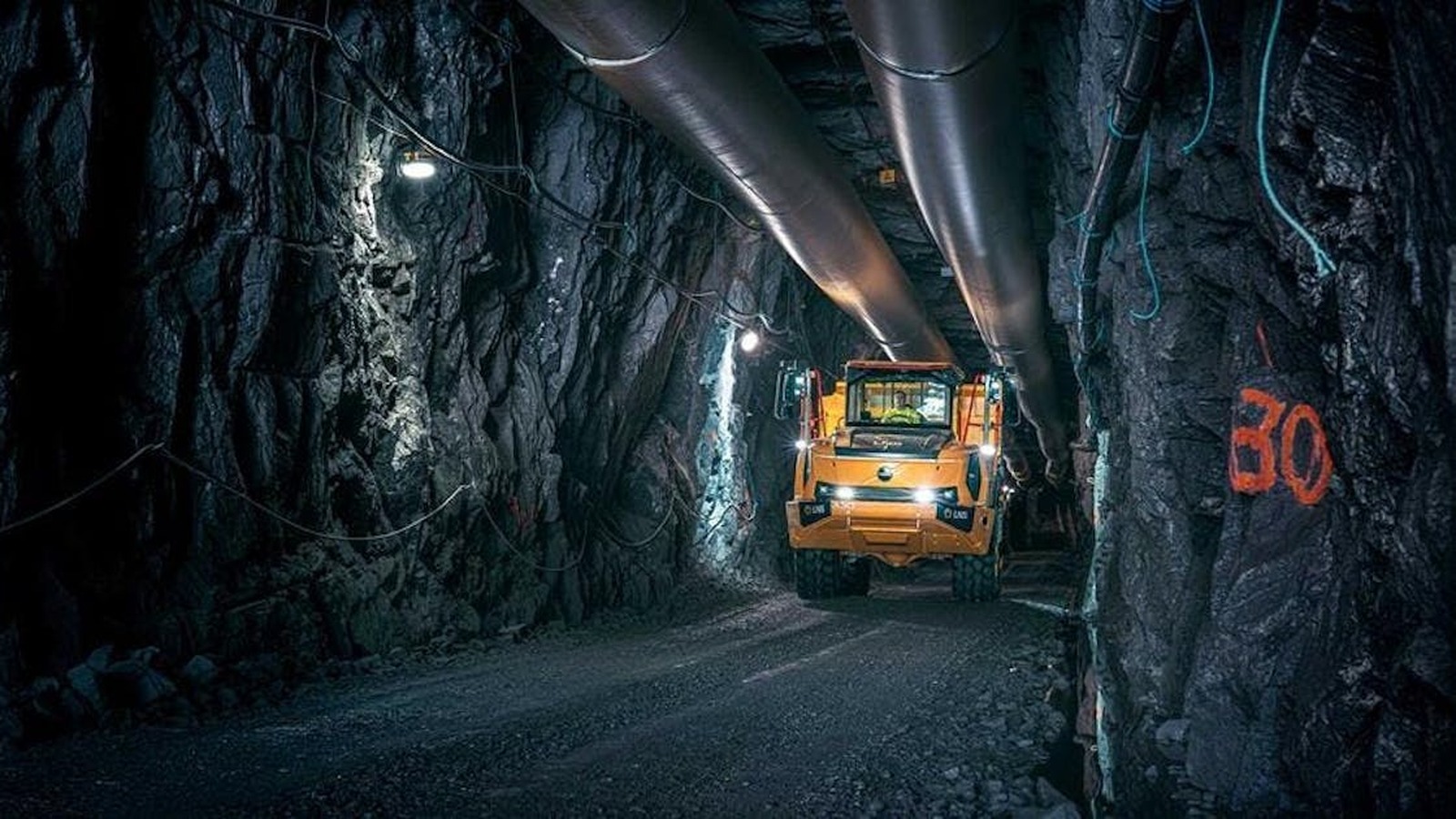
Battery haulage does not need a universal breakthrough before it becomes useful. It needs the right route. The Norway tunnel project is a good example. Four electric articulated dump trucks have already been delivered, with three more scheduled, and the machines are being used on a hydropower job that includes roughly 20 km of tunnel construction. That kind of site gives planners something electric equipment depends on: repeatable cycles, a clear charging rhythm, and a strong payoff from cutting emissions in enclosed work zones.
The same logic shows up in mining, even at a much larger scale. In the Pilbara, two battery-electric rigid haul trucks are being trialled under real mine conditions after controlled proving-ground work. Early testing has already passed 100 operating hours and 200 laps. Just as important, the next stage is not about glossy launch claims. It is about in-motion charging, infrastructure layout, and whether energy transfer can work while the trucks are moving. That is the sort of detail that separates a concept from a fleet plan.
What this says about the market right now
The useful reading is not that the industry has “solved” electric haulage. It has not. The more interesting point is that buyers and contractors are getting better at matching machine type to site conditions.
Electric articulated dump trucks look strongest where routes are shorter, pauses are built into the process, and reduced exhaust has direct jobsite value. Tunnels, hydropower work, sensitive urban earthmoving, and some quarry cycles all fit that logic better than open-ended general hauling.
Battery-electric rigid dump trucks in mining are further from broad rollout, but the conversation has shifted. The constraint is no longer only whether a truck can move material. It is whether the mine can support charging power, traffic flow, maintenance planning, and enough energy resilience to keep production stable. That is why the current trials matter more than another prototype reveal. They are exposing the operating system around the truck.
What buyers should check before asking for an electric dump truck
The first question is not battery size. It is cycle discipline. If haul distances, wait times, grade severity, and idle windows swing all over the place, electrification gets harder fast.
The second question is infrastructure ownership. A workable machine on paper can still fail if site power upgrades, charger placement, and cable or in-motion charging interfaces are treated as afterthoughts.
The third question is what the site actually gains. In enclosed work, the answer may be lower ventilation demand, lower local emissions, and a more comfortable operating environment. In mining, the gain may come later, after sites prove they can coordinate power strategy with production targets.
The near-term lesson for contractors and fleet planners
The headline this week is not that diesel haulage is about to disappear. It is that electric haulage is finally reaching the stage where project design matters more than press-release ambition. The first commercially sensible use cases are showing a pattern: repeatable routes, managed charging windows, and customers willing to redesign parts of the job around the machine.
From XeMach’s side, the practical takeaway is simple. Contractors should start by mapping the haul cycle, not by chasing the biggest headline specification. If the route is controlled and the charging logic is realistic, electric articulated or rigid dump trucks can move from pilot status toward daily production. If not, the machine will still look impressive, but the job will expose the mismatch very quickly.