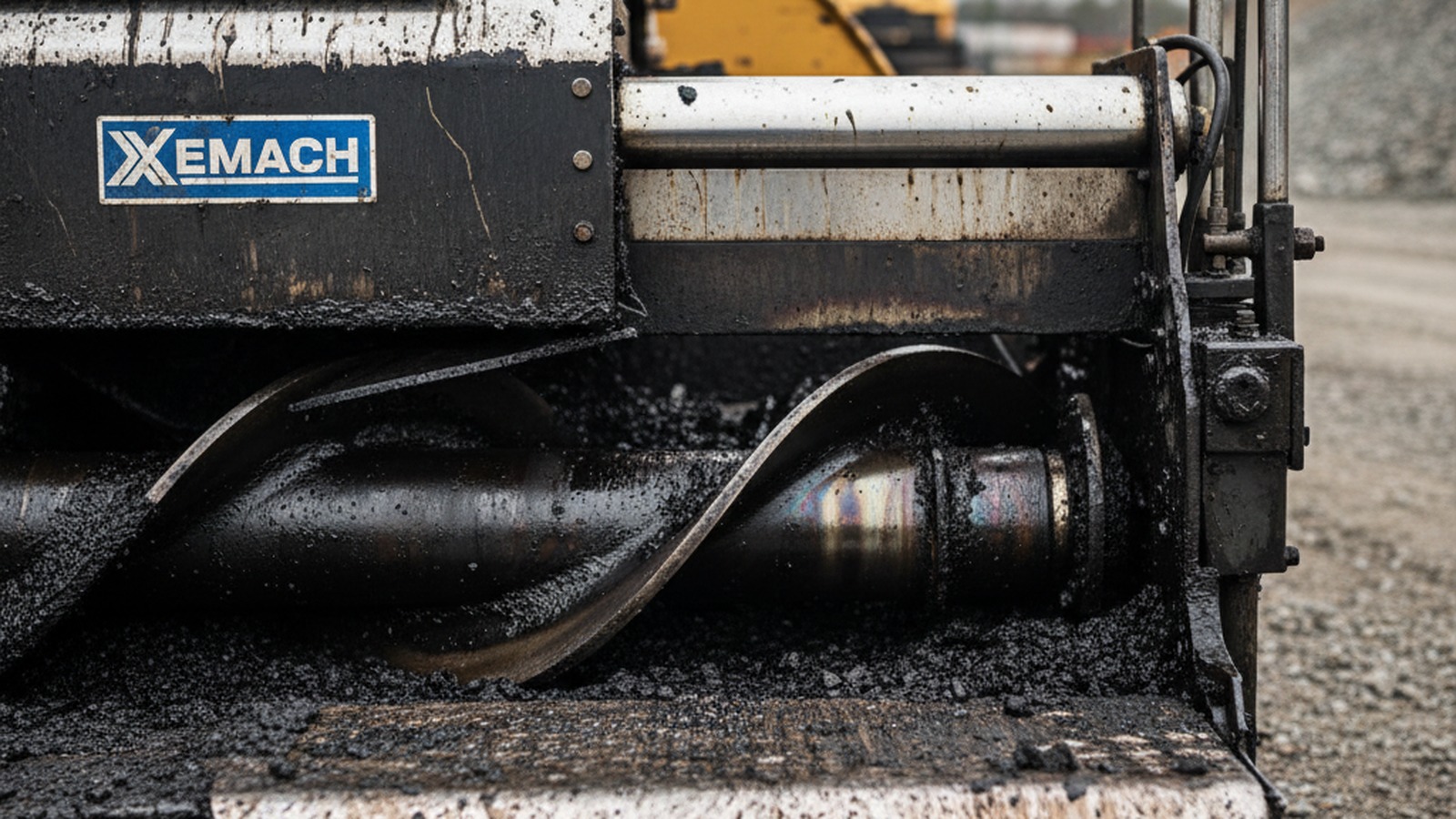
It is 11:40 p.m. on a resurfacing job, the mat is still hot, trucks are stacked behind the paver, and nobody wants to stop because a cooling pack clogs up or a worn screed plate starts hurting the finish. That is the moment when a highway-class paver stops being a brochure item and becomes a production bottleneck. In 2026, that pressure is showing up in product updates across the segment.
Recent paver launches and refreshes suggest buyers are shifting their attention away from headline paving width alone. Width still matters, of course, but the machines getting serious interest now are the ones that make it easier to stay online through dust, heat, material build-up, and fast job changes.
Why uptime is becoming the first question on a paver spec sheet
For years, paver comparisons started with class size, maximum width, and throughput. Those numbers still belong in the conversation, but they do not explain whether a crew can actually hold production through a full shift.
What is changing now is the amount of engineering going into the failure points that crews deal with every day: clogged cooling systems, awkward service access, long screed-change downtime, and inconsistent material flow. Several recent highway-class updates point in the same direction. OEMs are spending more effort on serviceability, filtration, wear life, and operator visibility because those details now decide whether the paving train keeps moving.
That is a healthy change. On a big road job, one avoidable stop can cost more than a small difference in rated capacity.
Cooling and clean-out are now part of productivity
Pavers live in one of the dirtiest thermal environments in construction equipment. Fine airborne dust, sticky asphalt particles, and sustained heat make cooling-system maintenance a real production issue, not a workshop footnote.
That is why recent updates have focused on optional prefiltration, easier fan access, and layouts that simplify cleaning from above. These are not glamorous upgrades, but they go straight to the reason pavers lose time in the field. If a machine can resist build-up longer and can be cleaned faster when it does need attention, the crew gets more paving time and fewer unplanned slowdowns.
For buyers, this means cooling design deserves a harder look than it used to get. Ask where debris collects. Ask how long it takes to clean the system properly. Ask whether a technician can reach key components without fighting through asphalt residue around the hopper area.
Screed flexibility is becoming a fleet economics issue
One of the more interesting shifts in recent paver updates is the attention on modular screed plate systems. Quick-change screed designs are not just about convenience. They change how a contractor uses the same machine across different job types.
When a crew can swap plate styles faster, one paver becomes easier to redeploy between highway work, commercial lots, and shorter municipal runs. That matters when schedules change midweek and the machine has to move from one surface requirement to another without burning a full day in the shop.
Wear life matters here too. Recent product updates highlighted smoother-change systems and higher-abrasion materials, with one launch claiming more than four times the abrasion resistance of standard-wear plates in controlled testing. Even if real-world results vary by material mix and technique, the direction is clear: screed parts are being treated as uptime components, not just consumables.
Visibility and feed control are no longer secondary features
A modern paver has to do more than push material. It has to help the operator read the paving process, watch material delivery, and keep the machine steady when the crew is trying to maintain mat consistency under traffic pressure or at night.
That is why newer highway-class machines are leaning into cleaner sightlines, wider cab awareness, better lighting, and feed systems that do more automatic matching between material delivery and travel speed. These upgrades do not sound as dramatic as a power increase, but they matter where paving quality is won or lost: at the interface between the hopper, conveyor, auger, screed, and operator judgment.
In practical terms, better visibility and steadier feed control can help reduce overcorrection, improve consistency at the endgate, and make night work less punishing for the crew.
What buyers should compare before choosing a paver
If the job mix includes heavy highway paving, airport work, or long continuous pulls, buyers should look past the top-line specs and compare the real uptime package:
- How easy is daily service access around filters, drains, pumps, and clean-out points?
- What protection does the cooling system have against dust and sticky airborne debris?
- How quickly can screed plates or related wear components be changed?
- Is the screed setup flexible enough for different job types without long shop time?
- How well does the machine manage material flow when truck delivery is uneven?
- What visibility and lighting support does the operator get for low-light work?
- Which features reduce fatigue and setup time across repeated shifts?
Those questions sound basic, but they get closer to profit than another glossy brochure claim about class leadership.
The market signal behind these updates
The broader signal is simple. Highway-class pavers are being redesigned around availability and consistency. Buyers are asking whether a machine can keep a crew productive when the job is hot, dirty, and time-sensitive, not just whether it can hit a theoretical maximum output number.
For XeMach, that is the useful takeaway from this round of product news: the next meaningful advantage in pavers will come from lower-friction ownership. Easier cleaning, faster service, longer-lasting wear parts, and smarter feed stability may not look dramatic in a launch headline, but they are exactly the features that decide whether a paving crew finishes the shift on schedule.