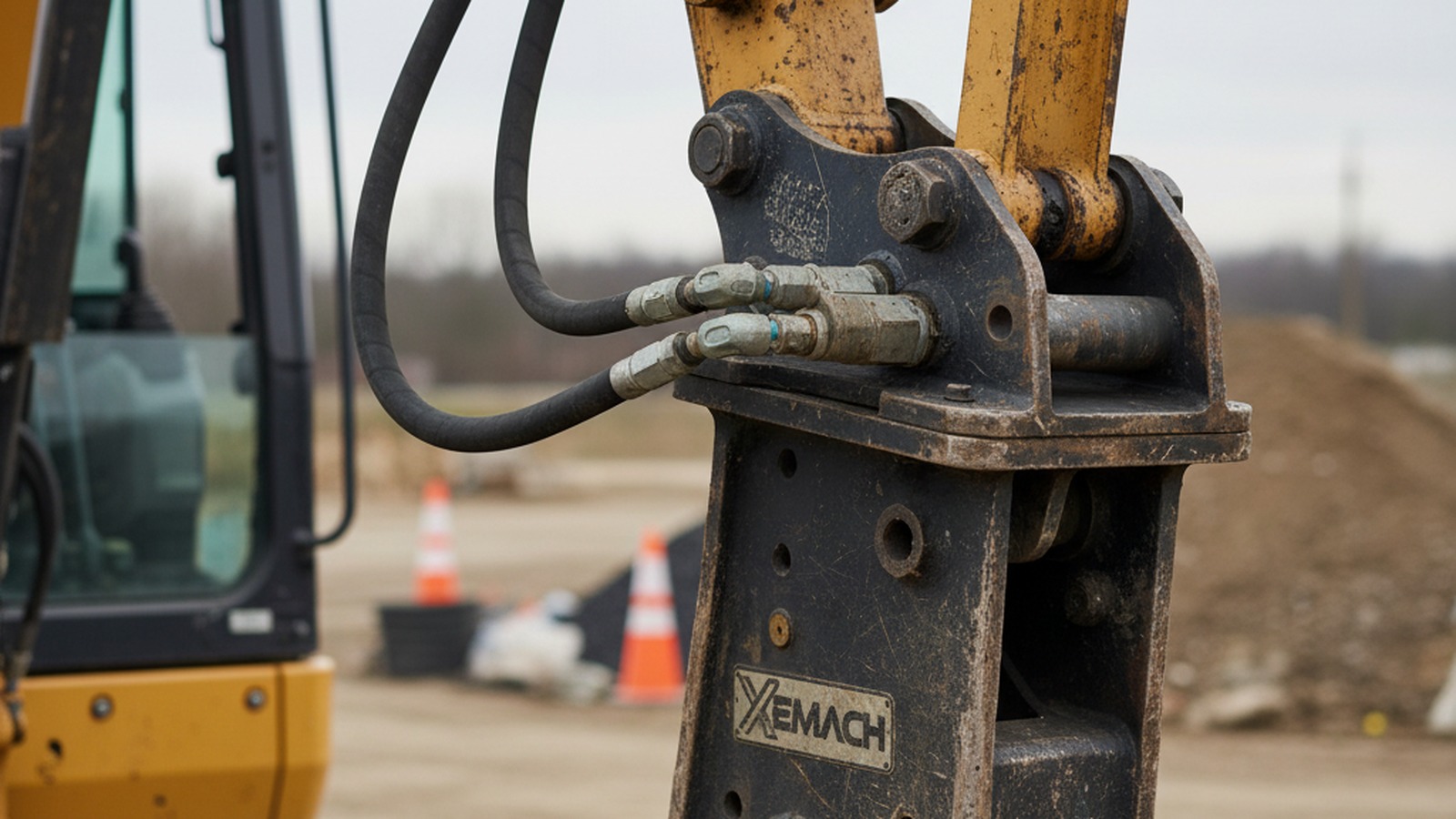
Picture a two-person utility crew on a narrow city street at 7:15 a.m. The trench is marked, traffic control is up, and the machine is already warm. But the real delay is not digging depth or engine horsepower. It is the stop-start routine of changing from a bucket to a hydraulic breaker, then to a plate compactor, while the crew waits and traffic keeps stacking up.
That scene helps explain where the mini excavator market is heading in 2026. Recent equipment launches and jobsite demonstrations suggest buyers are no longer judging a compact machine only by lift charts or breakout force. They are looking harder at how quickly the machine can switch tasks, how easily the operator can manage attachments from the cab, and how well the machine fits into a fleet that is under pressure to reduce idle time.
In other words, the mini excavator is being evaluated less like a single-purpose digger and more like a compact production platform.
The machine is expected to do more before lunch
A new 4-ton class mini excavator shown this season says a lot about buyer priorities. Yes, the usual spec points still matter: power, digging depth, hydraulic flow, and operating weight. But what stood out was not a dramatic jump in raw output. It was the package around the operator and the attachment workflow.
The machine highlighted a redesigned cab, a 7-inch touchscreen, integrated rear camera, joystick-based control changes, cleaner boom hose routing, and factory-ready options for couplers, auxiliary hydraulics, and hydraulic thumbs. That is not accidental. It reflects the reality that many compact excavators now spend the day trenching, breaking, setting small materials, backfilling, and cleanup-supporting on the same site.
For buyers, that changes the question. Instead of asking, “How much can this machine dig?” they are increasingly asking, “How many jobs can this machine finish without adding another carrier?”
Faster attachment changes are no longer a nice extra
One of the clearest signals from ConExpo was a live automatic hydraulic attachment system demo that let an excavator operator swap work tools without leaving the cab. Buckets, hydraulic hammers, plate compactors, and concrete-processing tools were changed in seconds. The headline is not just convenience. It is crew efficiency.
On a cramped urban or utility job, every extra machine, helper, trailer move, or manual hookup adds friction. When attachment changes happen quickly and safely from the seat, the excavator covers more tasks with fewer interruptions. That can reduce labor exposure, shorten lane-closure time, and cut the temptation to keep a second machine onsite “just in case.”
This matters especially in the mini excavator segment because the buyers are often municipalities, utility contractors, rental fleets, landscapers, and small civil crews. These users do not always win by having the biggest machine. They win by keeping one machine moving through several tasks without dead time between them.
Cab layout and hydraulic setup are becoming buying criteria
A few years ago, many buyers would have treated cab details and interface changes as secondary talking points. In 2026, they are becoming part of the purchasing decision.
Why? Because attachment-heavy work exposes every weakness in the operator environment. If auxiliary settings are clumsy to adjust, if visibility to the front-right corner is poor, if hoses create snag risks, or if the operator has to climb in and out too often, the machine loses time in small pieces all day long.
That is why details such as joystick-integrated controls, adjustable hydraulic flow through the display, improved visibility, easier service access, and simplified training across machine platforms are getting more attention. They do not look dramatic in a brochure, but they shape real output on real jobsites.
For mini excavator buyers, the practical benchmark is simple: can the operator move from digging to attachment work to finish grading without feeling like the machine is fighting them?
Utilization pressure is exposing the old buying logic
Fleet utilization data makes this trend even clearer. A 2026 equipment utilization report found that many fleets believe roughly 40% to 50% of their machines are underutilized or sit unused half the time. Mid-range and compact equipment were near the top of that problem. The same report found that 74% of operators see data accessibility as the biggest barrier to better utilization, 87% think better location intelligence would help, and 32% say maintenance disruption is hurting project timelines. More than a quarter said they rent or buy additional equipment just to cover downtime.
That should make compact-equipment buyers rethink the habit of solving every workflow problem by adding another machine.
If the real bottleneck is attachment change time, poor visibility, weak service access, or lack of utilization data, then simply buying more iron may only hide the root problem. In some fleets, a better-specified mini excavator with the right coupler, hydraulic setup, and tracking discipline will do more for productivity than a second underused unit parked beside the trench.
What buyers should ask before ordering a mini excavator in 2026
The strongest buyers this year will likely go beyond headline specs and ask sharper application questions:
- How quickly can the machine change between the three attachments we actually use every week?
- Can hydraulic settings be adjusted easily from the cab for different tools?
- Is the hose routing protected well enough for trench, demolition, and utility work?
- Does the machine improve visibility where compact jobsites are most unforgiving?
- Can one operator handle enough tasks to delay or avoid adding another carrier?
- How easily can the fleet track idle time, location, and maintenance status?
Those questions sound operational rather than glamorous, but that is exactly the point. The mini excavator market is maturing. Buyers are getting more disciplined about total workflow instead of chasing a single spec-sheet number.
The XeMach takeaway
From where XeMach sits, the compact excavator market is moving toward machines that earn their place through flexibility, not just force. Buyers still care about dependable digging performance, but the smarter purchase is increasingly the machine that switches tools quickly, keeps operators comfortable, and fits a tighter utilization plan.
That is where the next round of competitive advantage will come from: not from turning every mini excavator into a bigger excavator, but from making it a more useful machine across the whole workday.