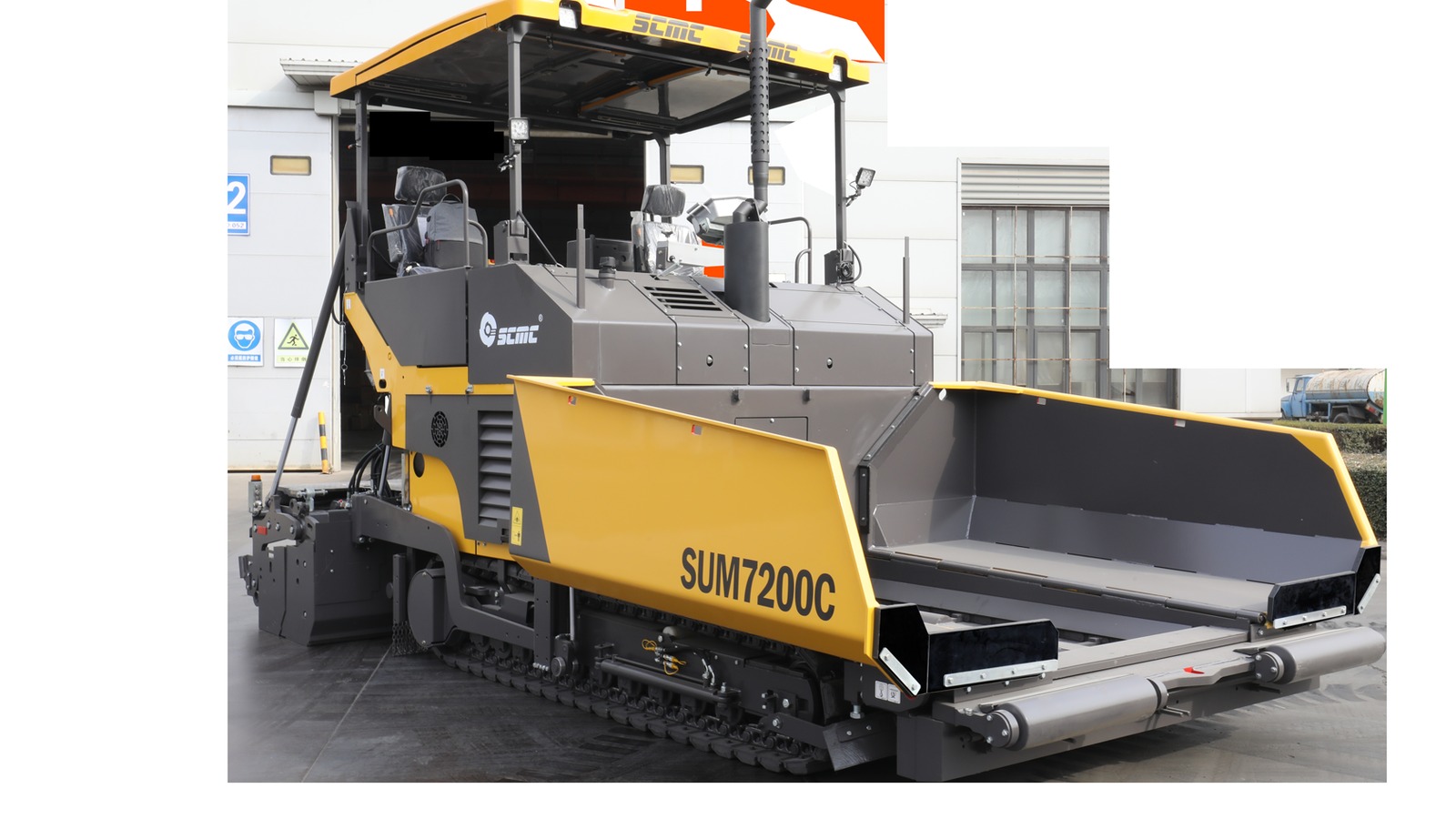
It’s 11:30 p.m. on a city resurfacing job. The asphalt mix is cooling, trucks are queuing, and the paving crew is trying to hit line-and-grade while traffic control squeezes the work window even tighter. You’ve invested in a modern asphalt paver with 3D guidance, yet the mat still shows bumps and wasted material—because the crew is not fully confident in the setup, calibration, and daily checks.
That gap between "what the machine can do" and "what the jobsite consistently delivers" is becoming one of the most important issues in road machinery right now. As asphalt pavers add 3D control, hybrid drivetrains, and more automation, the limiting factor often shifts from hardware to people, process, and training.
Why 3D paving matters (and why it can disappoint without discipline)
3D paving systems are designed to help asphalt pavers maintain tighter elevation and slope control than traditional stringline or manual adjustments. In practical terms, better control can mean:
- fewer thickness errors that lead to early rutting or cracking
- less rework and fewer cold joints
- more consistent surface quality across shifts and crews
But 3D systems also introduce new failure modes. When a job goes wrong, it’s rarely because "3D doesn’t work." It’s usually because of one of these basics:
- sensors not mounted/checked correctly
- base station / reference control not verified each shift
- wrong job file or design data loaded
- crew doesn’t know what to do when the system drifts or alarms
If those aren’t solved, the same technology that should reduce variability can create confusion during the most time-sensitive moments.
The quiet trend: training is becoming part of the machine purchase
A recent report about an asphalt paver operator training program in China described a four-day format that combined mechanical fundamentals, hydraulic/electrical troubleshooting, safety, and hands-on practice with a 3D intelligent paving system.
The interesting part is not the event itself—it’s what it signals:
- Pavers are now complex enough that “learn it on the job” is expensive.
- Contractors want predictable outcomes, not just better specs.
- OEMs and dealers are being pushed to offer structured training, not only spare parts.
In many markets, the next competitive edge won’t come from adding one more feature. It will come from reducing the variance between crews.
What jobsite managers should measure (not just what brochures promise)
Some 3D paving programs claim results like millimeter-level control, 3–5% reduction in material loss, and ~30% higher paving efficiency under the right conditions. Hybrid paver powertrains are also promoted with large fuel-saving ranges (often quoted as 40–60% in certain duty cycles).
Whether those numbers hold on your site depends on how well the system is deployed. Before you bet your schedule on "smart paving," define a simple scorecard:
- Smoothness and thickness variance (before/after)
- Tons paved per hour (net, not theoretical)
- Mix temperature and segregation issues
- Screed setup time and changeover time
- Number of stops per shift (and why they happened)
If your supplier can’t tie the machine’s features to these outcomes, you’re likely buying complexity without payoff.
Common failure modes with asphalt pavers (and how to prevent them)
Even with good equipment, paving quality often degrades for predictable reasons:
- Screed not warmed evenly, leading to early mat defects
- Inconsistent material flow to the augers
- Stop-start paving that creates texture differences
- Poor coordination between dump trucks and paver hopper strategy
- Over-reliance on automation without basic QA checks
A smart 3D system helps, but it does not replace discipline. Daily checklists, calibration routines, and clear "who decides what" rules during alarms matter more than another sensor.
A XeMach view: sell the paving result, not just the paver
For asphalt pavers, the buyer’s real product is the finished surface. That’s why we think the best road machinery packages will look less like a shipment of iron and more like a deployment plan:
- a short on-site pilot with a defined KPI baseline
- operator + technician training that matches the local crew’s experience
- a spare parts starter kit focused on downtime-critical items
- remote diagnostics and a clear escalation process during night shifts
If you’re evaluating an asphalt paver (or upgrading to 3D), ask one question early: what is the plan to make your average crew perform like your best crew? That’s where technology turns into profit.
Source used: https://news.d1cm.com/20260320187383.shtml