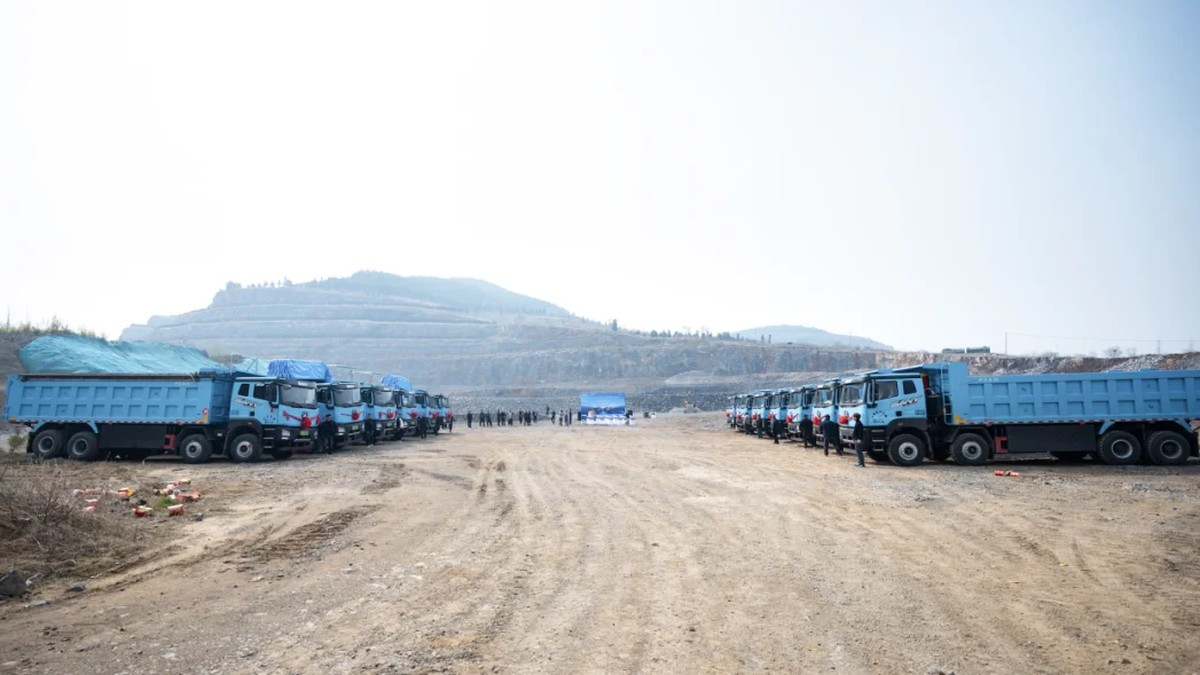
Electric dump trucks in mining: thermal management and charging checklist for extreme weather
At 6:30 a.m., your quarry supervisor calls: the diesel fleet is idling in the cold, fuel costs are up again, and the local regulator is asking for a “clean transport” plan. Battery-electric dump trucks look like the obvious answer—until you picture a fully loaded truck grinding up a long grade in summer heat, or trying to start a shift at -20°C.
That combination (big temperature swings + sustained heavy climbing) is where electric haul projects either prove themselves or fall apart. Recent mine and quarry rollouts have been unusually direct about the engineering behind the headlines: large battery packs help, but the project lives or dies on thermal stability and charging uptime.
When electric trucks stumble: heat, cold, and long grades
Electric drivetrains are efficient, but they still have limits. On a long uphill pull under full payload, motors, inverters, gearboxes (when used), and battery packs all build heat quickly. Once any of those components crosses a temperature threshold, most systems will protect themselves by reducing power. On a haul road, power derate is not a minor annoyance—it is lost cycles.
In cold weather, the problem flips. Batteries deliver less usable energy when they are cold, and fast charging can slow down if the pack is outside its preferred temperature range. If your site sees winter starts below freezing, pre-conditioning is not a “nice to have” feature. It is the difference between a pilot that “moves” and a fleet that “produces.”
Thermal management is the hidden spec you should read first
Public reports from recent deployments keep pointing to the same design approach:
- Liquid-based thermal management for the battery and powertrain (not just airflow)
- Control software that actively keeps battery temperature inside a working window
Why it matters in real mines:
- In hot conditions, stable temperatures reduce power derate on long grades.
- In cold conditions, pre-heating and smart controls improve low-temperature energy release and reduce range anxiety.
One recent wide-body mining dump truck field story even claimed stable operation from about -20°C to 40°C by leaning heavily on battery thermal management. Treat that as a directional lesson, not a universal guarantee: your results depend on duty cycle, grade profile, and charging behavior.
What buyers should ask before ordering an electric dump truck fleet
If you are evaluating electric dump trucks (rigid, articulated, or wide-body site haulers), use these questions to separate real engineering from brochure numbers:
-
What is the guaranteed continuous power on a sustained grade?
Ask for a duty-cycle simulation: payload, grade %, average speed, ambient temperature, and cycle time.
-
What battery capacity is sized for your shift—and how much of it is usable in winter?
Some mining-focused trucks are being marketed in the ~400 kWh class. Capacity helps, but only if thermal control keeps the cells in range.
-
How does the cooling system behave on a long heavy pull?
Ask what temperatures trigger derate, how quickly the system recovers, and what sensors and pumps are considered service items.
-
What is the charging plan as a site system (not a charger spec)?
Charging speed depends on grid capacity, charger redundancy, cable routing, safety zones, and queuing time. A smart port location can save minutes, but layout usually saves hours.
-
What fails first in dust, vibration, and water?
Mines punish connectors, radiators, pumps, and sensors. You want clear protection details and realistic service intervals.
-
What is the downtime playbook?
Remote diagnostics, fault-code clarity, and an on-site spares plan matter more than a glossy warranty PDF.
Reality-checking the cost and emissions case
Operators that have replaced diesel haul units with electric trucks typically cite four sources of value:
- Lower energy cost per tonne-kilometer (especially where electricity pricing is favorable)
- Fewer engine-related maintenance items (no engine oil system, no aftertreatment)
- Cleaner site air and easier compliance with “green mine” requirements
- Better downhill energy recovery when the haul profile allows it
A recent “clean transport” upgrade in a non-coal open-pit operation publicly estimated annual savings on the order of hundreds of tonnes of diesel and roughly ~1,860 tonnes of CO2 after switching dozens of haul trucks. Those are fleet-level estimates; your business case still hinges on utilization, charging uptime, and climate.
A practical pilot plan for 2026
Before you sign a purchase order, do one disciplined pilot cycle:
- Map the duty cycle (payload, grade profile, cycle time, idle time).
- Capture seasonal extremes (worst cold start, worst hot shift).
- Decide charging strategy (opportunity charging vs. shift-change charging).
- Set thermal targets (no derate on critical grades; winter usable-energy target).
- Plan parts and service (pumps, sensors, connectors, high-wear items).
XeMach perspective
An electric dump truck is not a “one spec fits all” machine—it is a site engineering project. When battery sizing, thermal package, charging interface, and payload/box configuration are matched to your haul road and climate from day one, the fleet behaves like production equipment instead of a demo.
If you are preparing an electric dump truck pilot for a quarry or mine, XeMach can help you turn your duty-cycle data into a workable specification and deployment plan, with the goal of steady output across seasons and grade profiles.