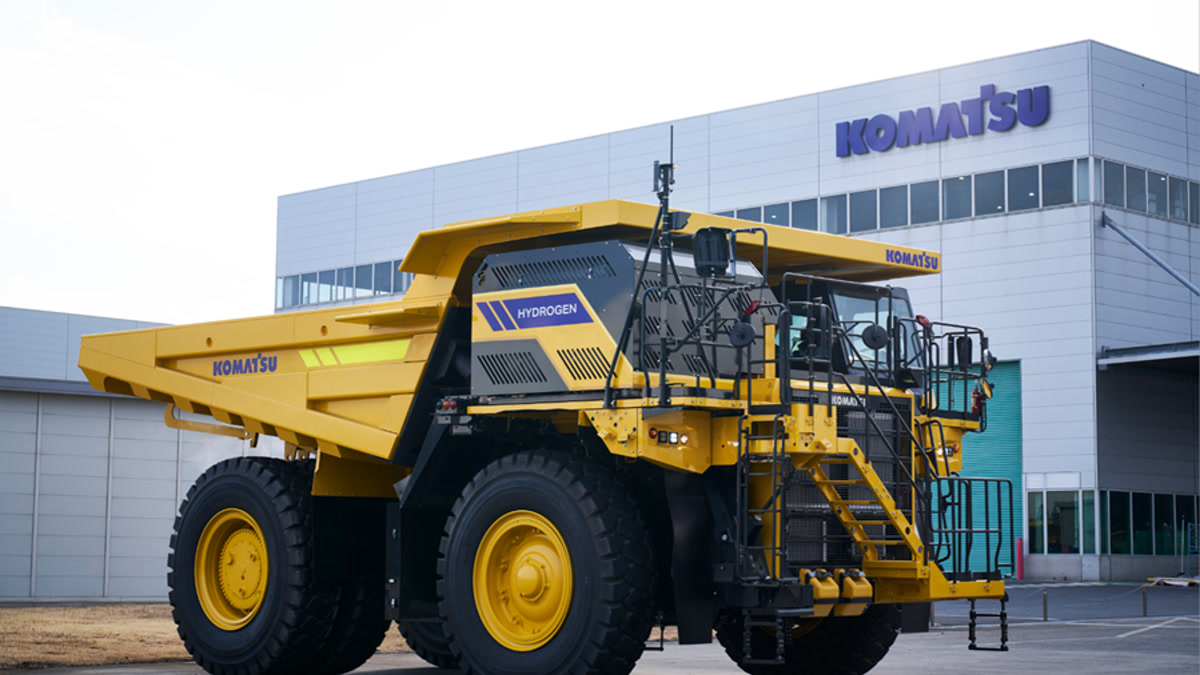
Hydrogen Combustion Dump Trucks: Why Mining Fleets Are Testing Them (and What to Check Before You Do)
Picture a mine that runs 24/7. The haul road is long, the loads are heavy, and any downtime ripples through the whole shift. Now add a new constraint that is becoming normal: pressure to cut CO2 without sacrificing refuel speed.
That is the exact use case pushing hydrogen into the conversation for large rigid dump trucks. Instead of jumping straight to battery-only haulage, some fleets and manufacturers are testing a simpler bridge: a hydrogen-fueled internal combustion engine (ICE) packaged into a familiar rigid-frame dump truck platform.
This is not a hype story about a single prototype. It is a signal that alternative fuels for mining trucks are moving from presentations to controlled field trials. For fleet managers, the question is not "Is hydrogen the future?" It is "What would make hydrogen work here, and what would break it?"
Hydrogen combustion vs fuel cell: same fuel, very different machine behavior
Hydrogen-powered equipment often gets grouped together, but there are two distinct approaches:
- Hydrogen fuel cell: hydrogen is converted into electricity, then electric motors drive the machine.
- Hydrogen combustion engine: hydrogen is burned in an engine that works broadly like a diesel or gasoline ICE.
For a rigid dump truck, the combustion route is being tested because it can reuse a lot of what fleets already understand: driveline layout, service habits, and technician skill sets. It may also allow faster adoption if the biggest bottleneck is infrastructure rather than the truck itself.
At the same time, hydrogen ICE is not just "diesel with a different fuel." It changes heat rejection, fuel storage, and safety systems. Those differences show up in daily operating costs and reliability.
Why rigid dump trucks are a logical first target for hydrogen trials
Rigid dump trucks sit in a sweet spot for hydrogen testing:
- Predictable routes: haul roads and loading points are fixed, so refueling logistics can be planned.
- Centralized operations: mines often control their own fuel yards, safety procedures, and maintenance shops.
- High use: if a low-carbon solution works, the emissions impact is meaningful.
In short, the mine site can behave like a controlled ecosystem. That matters because hydrogen is a "system" fuel. The truck is only half the project.
The real hurdle is not the truck. It is the fuel system around the truck.
Every alternative-fuel trial eventually runs into the same question: can the site support it without slowing production?
Here are the non-negotiables to evaluate:
Refueling throughput: can you refuel at shift speed?
If a hydrogen truck refuels quickly but the station can only handle one truck at a time, the bottleneck simply moves from the engine to the queue.
Buyer checks:
- Total refuel time per truck, including purging and safety steps
- Station capacity per hour (trucks/hour) at real shift conditions
- Redundancy plan when a dispenser is down
Hydrogen storage: compressed vs liquid, and what it means for risk and cost
Compressed hydrogen and liquid hydrogen behave very differently for storage, delivery, and safety zoning. Mines need a clear plan for where tanks sit, how they are protected, and who maintains them.
Buyer checks:
- Storage type, pressure/temperature requirements, and inspection routines
- Safety distances, impact protection, and emergency response procedures
- Fuel quality and contamination controls (especially relevant for high-pressure systems)
Cold weather and altitude: the quiet reliability killers
Hydrogen systems can be sensitive to temperature swings, icing, and pressure regulation issues. The more remote the mine, the less tolerance there is for "prototype behavior."
Buyer checks:
- Performance and refueling behavior at local winter temperatures
- Derates or limits at elevation
- Seal, coupler, and valve durability in dust and vibration
What the truck design needs to get right (so the trial doesn't become a maintenance nightmare)
For hydrogen combustion dump trucks, fleets should pay attention to a few practical design questions:
- Tank placement and protection: Are hydrogen tanks shielded from rocks and side impacts? What happens in a minor collision?
- Thermal management: Does the cooling system keep stable temperatures on long uphill hauls?
- Service access: Can technicians reach critical components quickly, or is everything buried behind guarding?
- Monitoring: Are there clear dashboards and fault logs for hydrogen leaks, pressure anomalies, and abnormal combustion?
A simple decision rule for fleet trials
Hydrogen combustion in rigid dump trucks makes the most sense when three conditions are true:
- You can control refueling logistics on site (or can bring in a mobile solution with real throughput).
- Your duty cycle punishes batteries today (long shifts, heavy grades, minimal idle windows).
- You have a maintenance partner who can support hydrogen-specific systems locally, not just the base truck.
If any one of those is missing, the project tends to become expensive learning rather than measurable progress.
XeMach take: mining fleets will demand "fuel flexibility" and predictable uptime
From a XeMach perspective, hydrogen combustion trials are important because they push the industry toward a more practical question: which low-carbon pathway preserves uptime?
Over the next few years, we expect mining and quarry fleets to compare multiple options side by side — diesel efficiency upgrades, battery-electric where charging fits, and hydrogen where refueling speed and range matter most.
The winners will not be the most futuristic concepts. They will be the machines and site solutions that make shift planning simple: clear refuel procedures, predictable maintenance intervals, and stable performance on grades.
If you are considering a hydrogen dump truck pilot, treat the fueling system as part of the machine. That is where the project succeeds or fails.