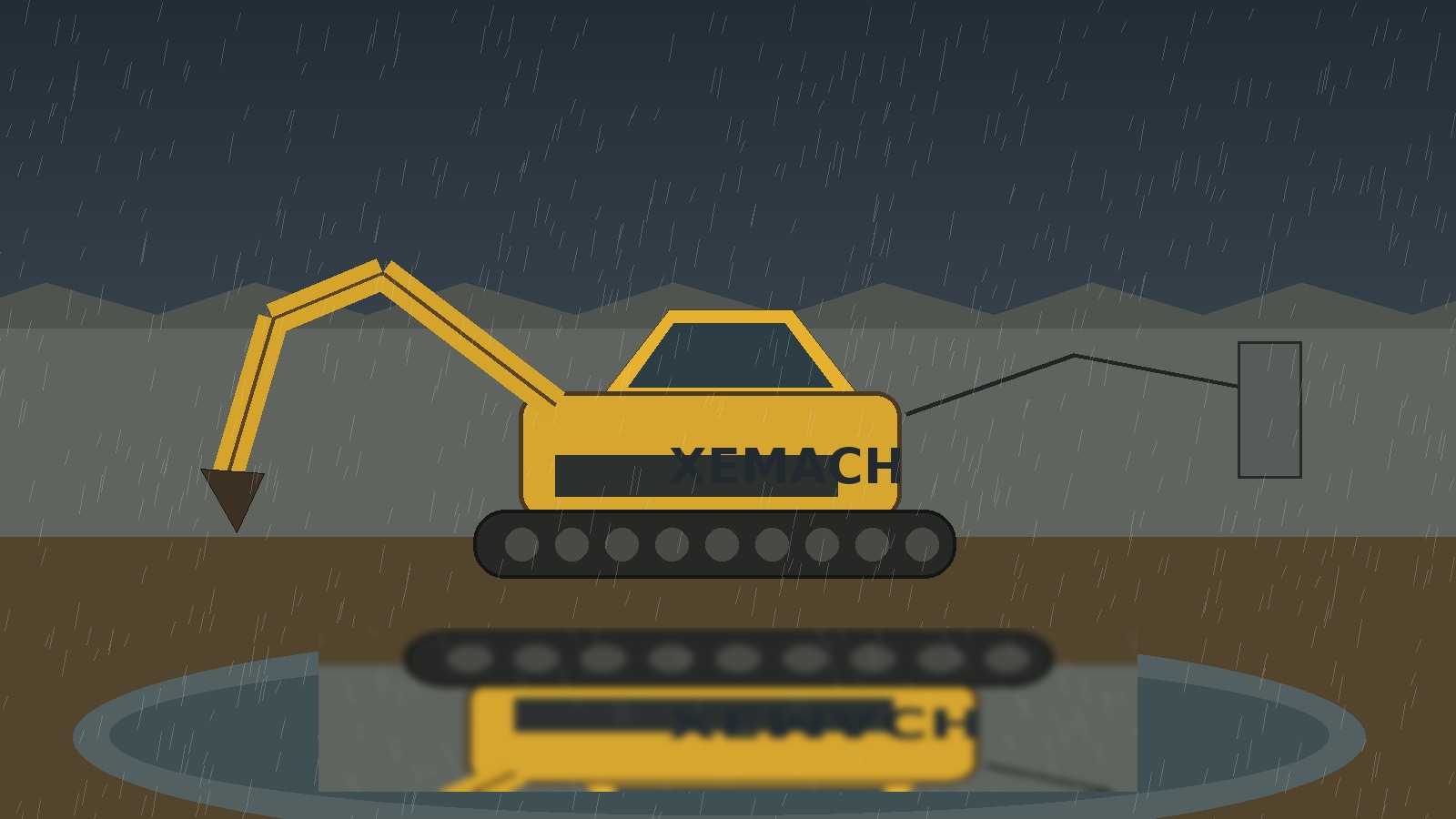
A contractor is looking at two 20-ton excavators in the yard. One works inside a scrap-handling site and barely leaves a 50-meter radius. The other moves across a larger jobsite where power access changes from week to week. Both machines burn expensive diesel. Both could be electrified. But they should probably not use the same power system.
That is where the electric excavator discussion is getting more practical. The market is not just asking whether electric machines can save energy cost. Buyers are asking which power architecture fits the work: onboard battery, overhead cable feed, ground cable feed, or a mixed fleet.
The market signal is small, but it is getting louder
China's excavator market returned to growth in the first half of 2026, with 152,320 excavators sold, up 26.4% year on year, according to industry data reported by D1CM. Exports reached 73,295 units, up 33.5%, and took nearly half of total excavator sales.
Electric excavators are still a small slice of that market. The same data shows 321 electric excavators sold in the first six months, up 129.3% year on year. June alone reached 99 units, up 266.7% year on year. Those numbers are not big enough to say electric excavators are mainstream. They are big enough to show where early adoption is happening: mines, ports, industrial yards, demolition sites, and other jobs with predictable duty cycles.
For fleet owners, the lesson is clear. The winning electric excavator is not always the machine with the largest battery or the most eye-catching specification sheet. It is the one whose energy system matches the site.
Battery electric excavators fit moving jobsites
A battery electric excavator keeps the machine self-contained. It can travel around the site without a trailing cable, which matters on scattered earthmoving work, utility projects, and jobs where power supply points are not fixed.
The trade-off is cost and planning. A battery pack adds upfront investment, requires charging time, and introduces battery lifecycle questions. If a machine does heavy digging for long shifts, charging strategy becomes part of the production plan, not an afterthought.
Battery power is usually easier to justify when the machine needs mobility and the buyer can control charging windows. It is less convincing when the excavator spends most of its life in one fixed production zone with stable grid power nearby.
Tethered power is a serious option for fixed work
Cable-fed excavators often look less glamorous than battery machines, but in the right place they can be more economical. They remove the large onboard battery cost and can run for long periods as long as the grid supply is stable.
The choice then moves to cable routing. For smaller and mid-sized excavators working inside a fixed yard, an overhead feed can keep the ground clear for trucks and loaders. That is useful in scrap yards, port handling areas, and other sites where traffic around the machine is constant.
For larger mining excavators or wide open-pit work, ground-fed power with an automatic cable reel can support longer distances and heavier current demand. It is not as simple as just adding a cable. Cable weight, swing clearance, site traffic, electrical protection, and rescue procedures all need to be designed before the machine arrives.
What buyers should ask before choosing an electric excavator
Before pricing a machine, buyers should answer a few site questions:
- How far does the excavator usually move during one shift?
- Is stable grid power available near the work face?
- Will trucks, loaders, or dump trucks cross the cable path?
- Is the machine under 50 tons, or is it a larger mining excavator with higher current demand?
- Does the job run one shift, two shifts, or nearly 24 hours?
- Who will own charging equipment, cables, reels, inspections, and emergency response?
These questions are not minor details. They decide whether electrification lowers cost or creates daily friction.
The best fleets may use more than one answer
A mixed approach will make sense for many contractors. Battery electric excavators can cover mobile work and scattered tasks. Tethered excavators can handle fixed heavy cycles where the cable can be protected and power supply is reliable. Diesel machines may still remain in backup roles or remote sites where energy infrastructure is not ready.
From a manufacturing and sourcing point of view, customization will matter more than generic electrification labels. Buyers will need the right excavator size, the right attachment setup, the right cable or battery package, and a realistic site energy plan. For XeMach, the practical takeaway is to treat electric excavators as worksite systems, not just machines. The specification should start with the job: movement radius, shift length, power access, safety path, and return-on-investment window.
Electric excavators are moving out of the demonstration phase, but the market will reward careful matching, not hype. The contractors who ask better site questions now will avoid expensive retrofits later.
Sources
- D1CM: 2026 first-half excavator market data and electric excavator sales: https://news.d1cm.com/20260710190378.shtml
- D1CM: Battery vs. tethered excavator conversion options: https://news.d1cm.com/20260707190282.shtml
- D1CM: Overhead vs. ground-fed tethered electric excavator applications: https://news.d1cm.com/20260714190488.shtml